The best cruises for seasick-prone travelers sail sheltered water: river cruises, Alaska's Inside Passage, Canada and New England, and the Baltic in summer. Picking a larger ship, booking a midship cabin on a lower deck, and staying away from peak storm seasons all cut down on the motion you feel onboard.
Quick Reference
| Priority | Best choice | Why |
|---|---|---|
| Calmest overall | River cruises | No open-ocean swells |
| Calmest ocean route | Alaska Inside Passage (round trip) | Sheltered by islands |
| Calm coastal option | Canada and New England | Route stays close to shore |
| Calm Europe option | Baltic in summer | Shielded by Scandinavia |
| Best cabin | Midship, lower deck | Least motion felt |
| Timing to avoid | Caribbean in Aug–Sept, transatlantic in Nov–Feb | Peak storm and rough-sea seasons |
Why Some Cruises Feel Rougher Than Others
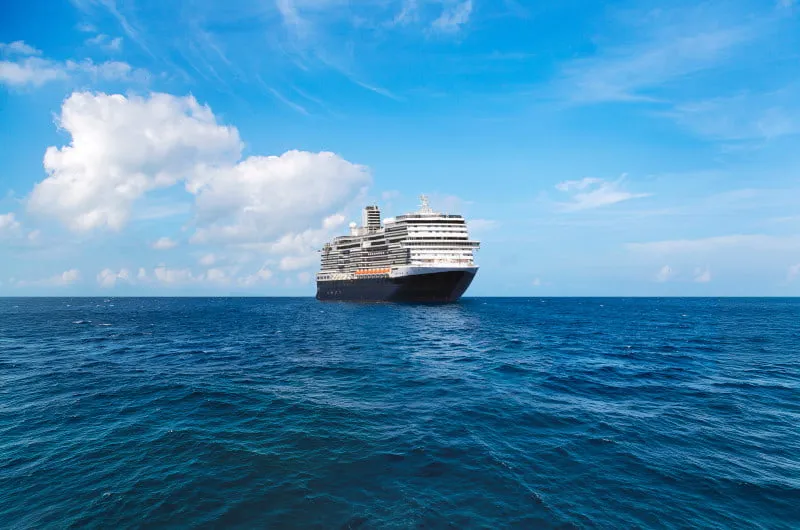
How much a cruise moves depends mostly on where the ship sails. Open ocean is nearly always choppier than an enclosed sea, because there's no land around it to break the wind and waves. A sailing that hugs a coastline or threads between islands spends most of its time in protected water, while an ocean crossing can mean several days of open swell.
The time of year counts too. Most regions have a stormy season, and booking outside it is one of the simplest ways to improve your chances of smooth sailing. You can't predict the weather months ahead, but you can avoid the months when rough seas are most common.
Then there's the ship. Its size, its stabilizers and where your cabin sits all shape how much motion actually reaches you.
Picking the right route is only half the job. Our seasickness tips guide covers what to pack and what to do once you're onboard. This guide sticks to choosing where and when to sail.
River Cruises: The Calmest Way to Cruise
If any motion at all makes you nervous, start with a river cruise. Rivers don't have the ocean swells that cause most seasickness, so the ride is far steadier than any sea voyage.
River ships are also built for a different kind of trip. They're smaller, they dock right in the center of towns and cities, and many nights end tied up along the riverbank instead of out at sea. You can watch villages, vineyards and castles slide past from the deck without the horizon rising and falling.
That makes river cruising a good fit for:
- First-time cruisers who aren't sure how they'll handle motion
- Travelers who've been seasick before on ocean voyages
- Anyone who prefers port-heavy trips with time ashore every day
The tradeoff is the onboard experience. River ships don't have the big pools, theaters and dining variety of large ocean ships. If your priority is avoiding motion, though, nothing else comes close. Browse river cruises to see the routes available.
Alaska's Inside Passage

Alaska's Inside Passage is one of the smoothest ocean routes you can book. A chain of islands shelters the passage on the way to ports like Ketchikan, Juneau and Skagway, so ships spend much of the voyage in protected water, with mountains and glaciers on either side.
Round Trip vs. One-Way Sailings
Your itinerary type makes a big difference. Round-trip Inside Passage sailings stay mostly in sheltered water. One-way sailings to or from Seward, Whittier or Anchorage cross the Gulf of Alaska, which is much rougher, and conditions there tend to get worse later in the season, especially after Labor Day.
If you're prone to seasickness, a round-trip Inside Passage cruise earlier in the season is the safer pick.
Departing From Vancouver
Some sailings start in Vancouver and enter sheltered water early in the trip. If you're comparing departure ports, our guide to the best cruises you can book from Vancouver is a good place to start. You can also explore all Alaska cruises.
Canada and New England
Canada and New England cruises are another strong choice for travelers who worry about motion. The route generally stays close to the coastline, so ships are rarely far from land, and the water is usually calmer than on open-ocean routes.
The roughest weather in this region comes in winter, when few cruises sail. Most Canada and New England sailings run in summer and fall, and fall foliage cruises are especially popular. The main exception is a nor'easter, a strong coastal storm that can churn up the water when one is forecast.
Ports on these routes are close together, which means more time ashore and shorter stretches at sea. You can spend a day in Boston, Bar Harbor, Halifax or Quebec City and be in the next port by morning.
Before you book, check how your itinerary starts and ends. Some sailings include a few sea days or open-water stretches, while others keep close to shore the whole way. See all Canada and New England cruises to compare routes.
Baltic and Northern Europe in Summer
The Baltic Sea
The Baltic is one of Europe's calmer cruising regions. Scandinavia shelters it from the open Atlantic, so it sees less of the swell you'd get on more exposed routes. Summer is the main Baltic season, but sudden thunderstorms can pop up between May and August.
A Note on Western Europe
Not every Northern Europe sailing is as calm. The Bay of Biscay, off the coasts of France and Spain, and the North Sea can both get rough, especially in fall and winter, when winds and storms pick up. Both are typically calmer in summer.
If you're seasick-prone and want to see Northern Europe, a summer Baltic itinerary that avoids the Bay of Biscay is usually the gentler option. Check your route before booking. Some sailings that begin or end in Southampton, Lisbon or other Atlantic ports cross the Bay of Biscay along the way.
Mediterranean Cruises: Pick Your Season
The Mediterranean is an enclosed sea, which makes it a popular choice for travelers who want ocean cruising without long open-water crossings. Ports are often close together, and many itineraries have few sea days.
Season matters a lot here. Late fall and winter bring heavier rain and thunderstorms, and the region can see "medicanes," hurricane-like storms that form over the Mediterranean, in fall in the west and in January and February in the Ionian Sea. Summer sailings avoid the stormiest months.
It's worth checking where your cruise starts and ends, too. Some Western Europe itineraries that start or end outside the Mediterranean cross the Bay of Biscay, which is rougher in cooler months.
For the motion-sensitive, a summer itinerary that stays within the Mediterranean is the safest bet. Our guide to the best Mediterranean cruises can help you choose a route.
Caribbean Cruises: Timing Matters
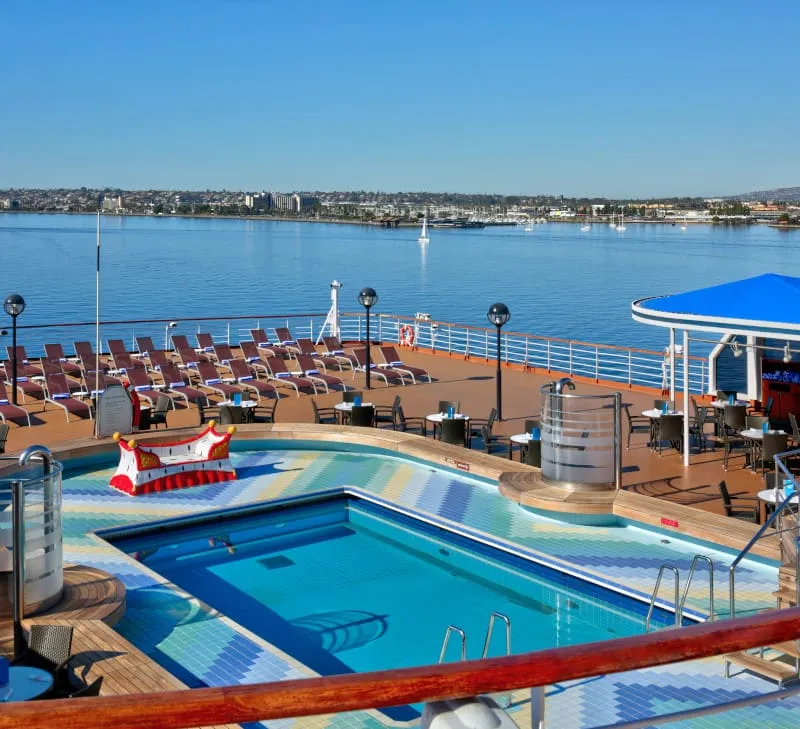
The Caribbean is one of the most popular cruise regions, and much of the year it's a comfortable choice for seasick-prone travelers. The main thing to plan around is hurricane season.
Hurricane Season
Atlantic hurricane season runs from June 1 to November 30, and most storms happen in August and September. Tropical storms and hurricanes are the leading cause of rough water in the Caribbean. Cruise lines will change course to avoid the worst of a storm, but that can still mean rougher seas or swapped ports.
Where the Caribbean Meets the Atlantic
Waves can get higher where the Caribbean meets the open Atlantic. Itineraries that spend more time in open water, or sail out to exposed routes, can feel more motion than sailings that stay among the islands.
If you're seasick-prone, booking outside the peak storm months is the simplest step you can take. Explore Caribbean cruises to compare itineraries and sailing dates.
Routes to Think Twice About
Some routes are known for rougher water. That doesn't mean they're off-limits, but if you're prone to seasickness, it helps to know what to expect and when.
| Route | When it's roughest | Why |
|---|---|---|
| Transatlantic | November–February | Long open-ocean crossing |
| Transpacific | February–April | Long open-ocean crossing |
| Gulf of Alaska | Later in the season, especially after Labor Day | Open water between Alaska ports |
| Drake Passage (Antarctica) | Most crossings | Open water between South America and Antarctica |
| Bermuda and the Bahamas | Hurricane season | More exposed to the Atlantic than the Caribbean |
| Asia (China, Japan, Philippines, Korea) | July–November | Typhoon season |
| Cape of Good Hope | Year-round, gales most often May–July | Where the Atlantic meets the Indian Ocean |
| Bass Strait and Tasman Sea | Varies | Open water around Australia and New Zealand |
Hawaii cruises that sail from the West Coast also involve several open-ocean sea days, so expect more motion than on coastal routes.
Pick the Right Ship for a Smoother Ride
Larger Ships
Size makes a real difference. Larger ships are less affected by waves, so you'll feel less motion than on a smaller vessel in the same conditions. If you're booking an ocean cruise and worry about seasickness, a big ship is the safer choice. River cruises are the exception, since rivers don't have the swells that make small ships feel rough.
Stabilizers
Modern cruise ships use stabilizers, fins that extend from the hull below the waterline to counter the ship's motion. Many are active, meaning a control system senses the roll and adjusts the fins in real time.
Stabilizers work best against roll, the side-to-side rocking you feel in a swell. They're less effective against pitch, the up-and-down motion as the bow rises and falls through waves. That's why even a well-stabilized ship can still feel some movement on a rough day.
Choosing a Cabin That Feels Less Motion
Where your cabin sits on the ship affects how much you feel. Cabins midship on lower decks move the least, because they're closest to the ship's center of motion. Cabins at the bow or stern, and on higher decks, tend to feel more movement.
If you're booking for comfort, look for a midship cabin on a lower or middle deck, and check the deck plan before you commit. A balcony can help too, since fresh air and a clear view of the horizon make some travelers feel better.
Our guide to designing your perfect home away from home covers more of what to look for in a cabin. For ways to prevent and manage motion sickness onboard, see our guide to avoiding seasickness.
Finding Your Smoothest Sailing
Being prone to seasickness doesn't mean you have to skip cruising. It just means being more deliberate about where and when you sail. Sheltered routes like rivers, Alaska's Inside Passage, Canada and New England, and the summer Baltic keep you in calmer water. Timing your trip around storm seasons in the Caribbean, the Mediterranean and Northern Europe takes care of a lot of the rest.
From there, the ship and cabin do the fine-tuning. A larger ship with stabilizers and a midship cabin on a lower deck give you the steadiest ride possible. If you're new to cruising and still deciding where to start, our beginner's guide to choosing the perfect first cruise can help you narrow it down.
Ready to find a calmer sailing? Start planning your next cruise on CruiseDirect.


