What makes cruise ship culture unique, and how do cruise ships bring together people from different backgrounds? A modern cruise ship carries passengers from dozens of countries, served by crew from even more, sailing through itineraries that cross multiple cultural boundaries in a single voyage. The result is one of the most genuinely diverse shared environments in travel: a floating community where language, food, entertainment, and daily life reflect the full range of the people onboard. MSC, Costa, Royal Caribbean, Norwegian, and Virgin Voyages are among the strongest lines for multicultural passenger and crew communities. This guide covers what cruise ship culture looks like in practice, how cruise lines celebrate diversity onboard, and which itineraries offer the deepest cultural immersion.
| Best cruise lines for cultural diversity | MSC, Costa, Royal Caribbean, Norwegian, Virgin Voyages |
| Cultural experiences onboard | Food, entertainment, language, themed sailings, community events |
| Who it suits | Solo travelers, multicultural families, first-timers, culture-focused travelers |
| Best itineraries for cultural immersion | Mediterranean, Caribbean, Asia, World Cruises |
What Makes Cruise Ship Culture Unique

A cruise ship is one of the few environments in modern travel where the community itself is the experience, not just the backdrop to it.
- A floating melting pot with no exit: On land, cultural mixing tends to happen on the edges, in airports, markets, and tourist districts. On a ship, passengers from forty different countries share a dining room, a pool deck, a theatre, and a corridor. The proximity is sustained and unavoidable in the best possible sense: you encounter people you would never encounter at a resort or on a city break.
- Shared experience across different backgrounds: The ports, the sea days, the shows, the meals — everyone aboard is having a version of the same trip simultaneously. That shared frame creates connection across language and cultural barriers more naturally than most social environments manage.
- Crew diversity as a core feature: The crew of a large cruise ship typically represents 60 to 80 nationalities. Officers tend to be from Europe, Scandinavia, and Italy depending on the line; hotel and service staff from the Philippines, India, Indonesia, and Eastern Europe; entertainment staff from the Americas and the UK. The result is a working community that is itself a remarkable cross-section of the world, and passengers interact with it dozens of times a day.
- Itineraries that cross cultural boundaries: A Mediterranean sailing moves through Spanish, French, Italian, Greek, Turkish, and Croatian cultures in ten days. A world cruise crosses every major cultural region on earth. The ship is the constant; the cultural context changes at every port.
- A community that forms and dissolves on a schedule: Cruise ship communities are intense precisely because they are temporary. Knowing that the voyage ends creates a social dynamic where people connect quickly and genuinely, without the caution that governs longer-term social relationships.
The Diversity of Cruise Ship Passengers
Where Cruisers Come From
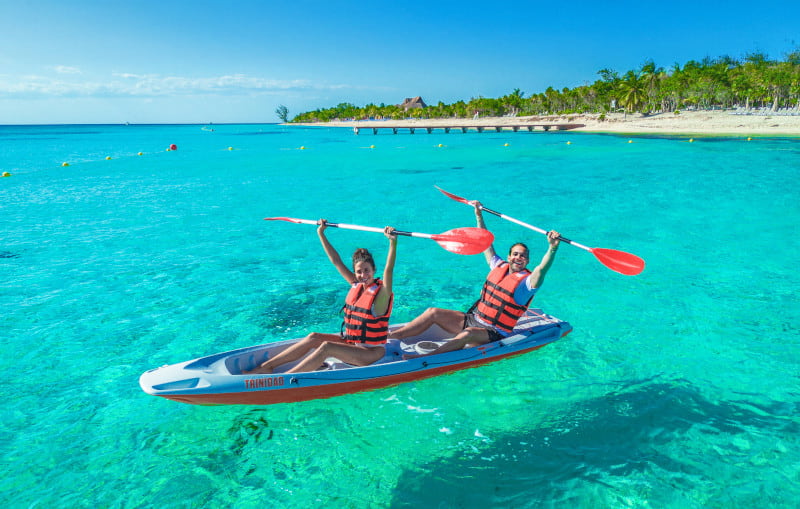
The cruise industry carries over 30 million passengers annually from every major country in the world. American and British passengers represent the largest single national groups on most English-language sailings, but the passenger mix on any given ship depends heavily on the cruise line, the departure port, and the itinerary. MSC Cruises typically carries the most internationally diverse passenger mix of any major line, reflecting its European home market and global deployment across the Mediterranean, Caribbean, and South America. A single MSC sailing departing from Genoa might carry passengers from Italy, Germany, France, Brazil, Argentina, and a dozen other countries simultaneously. Costa Cruises has a similarly diverse European and South American passenger base. Royal Caribbean and Norwegian skew more heavily American on their US departure sailings but carry genuinely international passenger mixes on their European and Asian itineraries.
Multigenerational and Multicultural Families at Sea
The cruise format suits multigenerational and multicultural families in ways that most other holiday formats do not. A single sailing can simultaneously serve a grandmother who wants to sit quietly on deck and watch the sea, parents who want structured excursions and evening entertainment, teenagers who want a social environment with peers their own age, and young children who want the kids' club. The logistics of keeping a large family group together without constant negotiation over what to do next are solved by the ship itself. For multicultural families where different members have different comfort levels with international travel, the ship provides a familiar, English-friendly base from which every port can be approached on the family's own terms.
Solo Travelers and the Community They Find
Solo cruising has grown significantly across all major lines in the last decade, and the cruise format is arguably the strongest solo travel option available. The social infrastructure onboard, dining at shared tables, group excursions, sea day activities, and evening entertainment, creates repeated natural opportunities for connection that independent travel rarely provides. Most major lines have developed specific programming for solo travelers, including meetup events in the first day or two of sailing that help solos identify each other and form groups that persist through the voyage. Norwegian Cruise Line has invested most heavily in the solo traveler segment, with dedicated solo cabins (Studio cabins) on several ships and a Studio Lounge that functions as a social hub specifically for solo passengers. Virgin Voyages has a strong solo culture built around its adults-only environment and social programming.
LGBTQ+ Inclusive Sailings
The cruise industry has become one of the most actively LGBTQ+-inclusive sectors in travel, with both dedicated LGBTQ+ sailings and year-round inclusive programming across most major lines. Virgin Voyages is the most explicitly inclusive mainstream line, with an adults-only environment and onboard culture that has made it a leading choice for LGBTQ+ travelers since its launch. Royal Caribbean and Norwegian host dedicated LGBTQ+ group sailings through specialist operators while maintaining inclusive programming across their standard fleet. Celebrity Cruises has a long-established LGBTQ+ following and a shipboard culture that reflects that. Dedicated LGBTQ+ cruise weeks, operated by third parties on chartered mainstream ships, are available across Caribbean and European itineraries throughout the year.
How Cruise Lines Celebrate Cultural Diversity Onboard

Multicultural Dining and Food Traditions
Food is the most immediate and universal expression of culture, and cruise ship dining reflects the diversity of both the passenger community and the ports being visited. On MSC and Costa sailings, the main dining room menus reflect the Italian and European culinary tradition of the line, while specialty restaurants cover Asian, Latin American, and American cuisines. Menus on itinerary-specific sailings often rotate to reflect the ports being visited: a Mediterranean sailing might feature Greek specialties the night before a Greek port call, Spanish dishes before Barcelona, and Turkish mezze before Istanbul. Holland America's Culinary Arts Center runs destination-specific cooking demonstrations connecting the onboard food experience to the cultures of upcoming ports.
Entertainment That Reflects the World
MSC runs entertainment programming in multiple languages across its fleet, with shows designed to communicate across language barriers through movement, spectacle, and music rather than dialogue-heavy theatrical formats. Costa celebrates its Italian identity through onboard programming that includes opera performances, Italian cinema nights, and classical music events alongside mainstream variety entertainment. Latin music nights, Caribbean deck parties, and Asian cultural showcases appear on itinerary-specific programming across most major lines. Royal Caribbean's entertainment team has expanded its cultural programming significantly on its international deployments, with regional entertainment reflecting the passenger mix on each specific sailing.
Language and Communication Onboard
MSC operates announcements, menus, and staff communication in up to six languages on its European sailings, including Italian, English, French, German, Spanish, and Portuguese. Costa covers Italian, English, French, German, and Spanish across its fleet. Norwegian and Royal Caribbean operate primarily in English on their US-market sailings but expand language provision significantly on European and Asian deployments. Translation apps and the proliferation of smartphone technology have reduced the practical barriers of language difference onboard significantly over the past decade, and most major cruise ships operate translation assistance through the guest services desk for passengers who need support in languages the line does not officially serve.
Themed Cultural Sailings and Events
Themed cultural sailings represent the most deliberate expression of cultural celebration at sea. Heritage sailings targeting specific diaspora communities, cultural music festivals at sea, and destination-immersion sailings with onboard programming built around a specific cultural tradition are available across several major lines. Norwegian and Royal Caribbean have hosted gospel music sailings, Latin music cruises, and cultural heritage events as part of their charter and group sailing programs. Food and wine themed sailings appear on Holland America and Celebrity itineraries, connecting culinary culture to destination. The range of themed cultural sailings available at any given time is widest in the Caribbean, where the passenger base is most diverse and the cultural programming most developed.
The Crew: The Most Diverse Community at Sea
Where Crew Members Come From
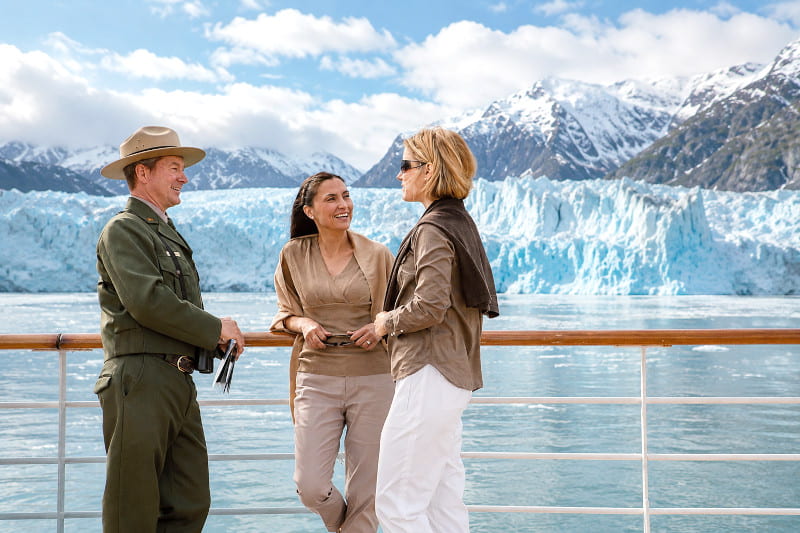
The crew of a major cruise ship is itself a remarkable cross-section of the world. On a Royal Caribbean ship carrying 6,000 passengers, the crew of approximately 2,200 might represent 70 or more nationalities. The Philippines is the single largest source country for cruise ship crew globally, supplying a significant proportion of the hospitality, food service, and deck ratings across virtually every major line. India, Indonesia, and Eastern Europe are the next largest source regions. Officers and senior officers tend to come from Europe, with Italian, Norwegian, Greek, and British nationals common in senior positions across multiple lines.
How Crew Culture Shapes the Onboard Experience
Crew culture is invisible to most passengers and fundamental to everything about the onboard experience. The energy a Filipino cabin steward brings to their work, the precision a German officer applies to navigation, the warmth an Indian dining room manager shows to a table of regulars — these are not generic hospitality behaviors. They are expressions of specific cultural traditions of service, professionalism, and human connection that vary meaningfully across the crew's many national backgrounds. Passengers on longer voyages, particularly world cruises and 14+ night sailings, consistently describe the relationship with specific crew members as one of the most memorable aspects of the trip.
The Relationship Between Passengers and Crew Over Long Voyages
On a seven-night Caribbean sailing, the passenger-crew relationship is functional and warm but necessarily brief. On a 100-night world cruise, it becomes something considerably closer to a community. Crew members on long voyages learn passenger names, preferences, daily routines, and personal circumstances in a way that creates a genuine ongoing relationship. Passengers who cruise the same ship repeatedly develop relationships with crew members that span multiple voyages over multiple years. This longitudinal relationship between a passenger base and a crew is one of the things that distinguishes cruising most clearly from any other form of commercial hospitality.
Building Community at Sea
How Strangers Become Friends on a Cruise
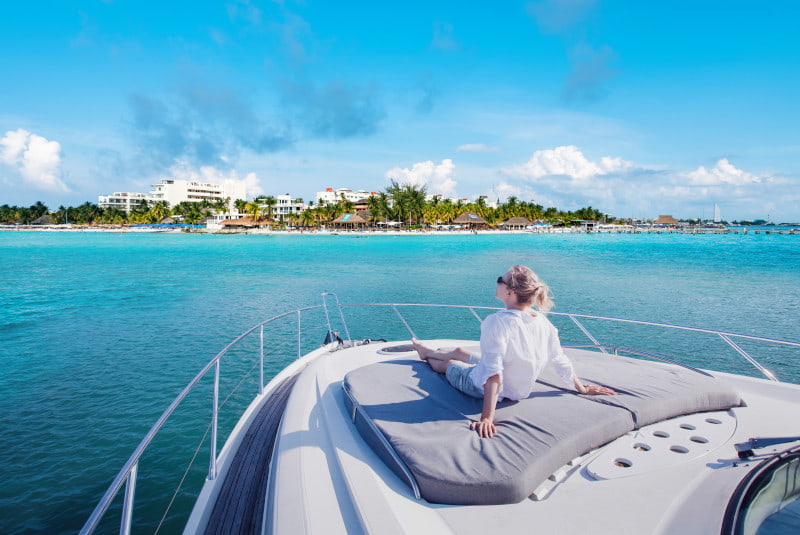
The social architecture of a cruise ship is designed, whether deliberately or by accumulated experience, to produce connection. Fixed dining times with assigned tables put the same group of strangers together for dinner every night for a week, which is more sustained social contact than most people have with their colleagues in a month. Sea day activities run in formats that invite participation and repeat attendance. The pool deck, the casino, the theatre, and the bars are all shared spaces with no private room equivalent. The result is that friendships formed on cruises tend to form faster and feel more significant than those formed in most other travel contexts.
Solo Traveler Meetups and Events
Solo traveler programming has become a structured feature on most major lines rather than an afterthought. The standard format is a solo traveler cocktail or meetup event in the first day or two of the sailing, typically hosted by a cruise director or entertainment staff member in a dedicated venue. The event functions as an icebreaker that creates a group of mutuals who are then likely to encounter each other repeatedly across the rest of the voyage. Norwegian's Studio Lounge takes this further by providing a dedicated daily social space for solo passengers that functions as a self-organizing community hub throughout the sailing.
Interest-Based Communities Onboard
Beyond the solo traveler meetup, most major lines run interest-based programming that creates smaller communities within the larger passenger group. Trivia teams, book clubs, crafting groups, fitness class regulars, and bridge or chess players develop recognizable social groupings that persist across the voyage. Holland America's enrichment programming is the most structured in this regard, with lecture series, culinary workshops, and craft groups that run on a schedule throughout the sailing and accumulate a consistent core of participants. Viking's destination lecture program creates a shared intellectual frame for the voyage that passengers discuss over meals and at port, building a community of shared curiosity around each destination.
Long Voyage Communities (World Cruises)
The most intense cruise communities form on the longest voyages. On a 100 to 180 day world cruise, the passenger group becomes a genuine temporary society with its own social hierarchies, inside jokes, recurring rituals, and occasionally its own conflicts. Passengers on world cruises consistently describe the community as a defining element of the experience, often equal to or exceeding the destinations visited. The community forms fastest when the ship is at sea for extended periods between ports: the weeks crossing the Pacific or the Indian Ocean with no port call create sustained social time that accelerates connection in a way that port-intensive itineraries do not.
Cultural Immersion Through Itineraries
Mediterranean Sailings
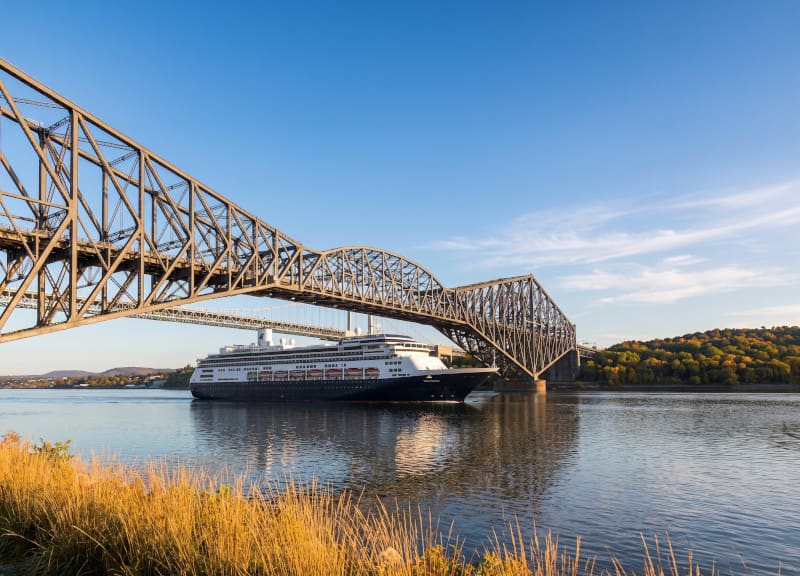
The Mediterranean is the world's most culturally dense cruise itinerary, crossing through civilizations that have defined the Western world for three thousand years in the span of a ten to fourteen night sailing. Spanish, French, Italian, Greek, Turkish, Maltese, Croatian, and Moroccan cultures are all accessible within a single itinerary, each with distinct food traditions, languages, architectural histories, and contemporary identities. For cultural immersion, the Eastern Mediterranean sits above the Western: ports like Istanbul, Athens, Dubrovnik, and Kotor carry layers of history and cultural complexity that Barcelona and Rome, magnificent as they are, do not quite match. The Mediterranean is also the itinerary most likely to carry a multicultural passenger mix, given the large number of European departure ports and the diversity of the European cruise market.
Caribbean and Cultural Diversity
The Caribbean is a region of extraordinary cultural complexity that its reputation as a sun-and-beach destination sometimes obscures. African, European, Indigenous, and Asian influences have combined across several centuries into distinct national cultures in Jamaica, Trinidad, Barbados, Martinique, Puerto Rico, Cuba, and the other islands that form the cruise circuit. Food, music, language, and social life vary significantly between islands that appear geographically close on a map. Shore excursions that go beyond the beach and into local communities, food markets, and music venues reveal a cultural depth that a standard port day at a beach club does not.
Asian Itineraries
Asian cruise itineraries offer the most concentrated cultural contrast of any cruise region. Japan, South Korea, Vietnam, Thailand, Singapore, and Indonesia represent cultural traditions so distinct from each other and from Western norms that a single Asian itinerary crossing several of these destinations is a genuinely disorienting and rewarding experience. The food alone, moving from Japanese precision to Vietnamese freshness to Thai complexity to Indonesian spicing, covers more culinary ground than most land-based tours manage in a month. For passengers whose primary interest is cultural depth rather than beach access or familiar European history, an Asian cruise itinerary is the category's strongest offering.
World Cruises as the Ultimate Cultural Experience
A world cruise is the only travel format that puts the full range of global cultural diversity within a single continuous journey. Moving from the Caribbean through South America, across the Pacific to Australia and Asia, through the Indian Ocean to Africa, and into the Mediterranean or Northern Europe, a world cruise assembles a cultural education that no other format can replicate in the same timeframe. World cruise passengers are among the most internationally diverse and culturally curious of any group in travel, and the conversations that form over months at sea reflect that.
Which Cruise Lines Champion Diversity and Inclusion
MSC Cruises
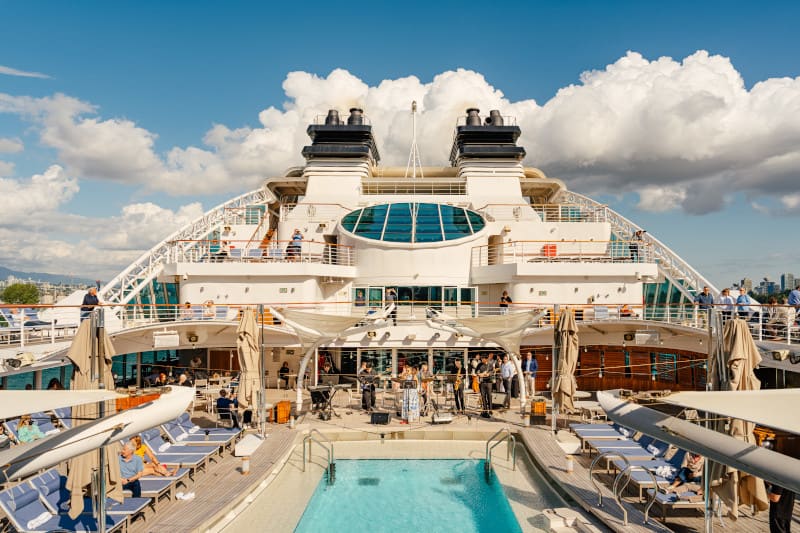
MSC Cruises carries the most internationally diverse passenger base of any major cruise line, with sailings departing from ports across Europe, the Americas, the Middle East, and Africa carrying genuinely global passenger mixes. Its multilingual onboard operation, covering up to six languages on European sailings, reflects the reality of who is actually on the ship. MSC's entertainment and dining programs are designed to work across cultural backgrounds rather than for a single dominant nationality. For passengers who want to cruise alongside the broadest possible cross-section of the world rather than a predominantly American or British passenger mix, MSC is the strongest mainstream option.
Royal Caribbean
Royal Caribbean has made diversity and inclusion central to its public identity in recent years, with programming, hiring, and marketing that reflects a genuine commitment to representing the full range of its passenger base. Its Pride sailings and cultural heritage programming are among the most visible in the mainstream segment. Royal Caribbean's entertainment, dining, and community events on its international sailings reflect the diversity of the markets it serves more consistently than most of its mainstream competitors.
Norwegian Cruise Line
Norwegian has built the most structured solo traveler infrastructure of any major line and has a strong LGBTQ+ inclusive reputation across its fleet. Its freestyle format, which removes the fixed dining tables and formal schedules that can make cruise culture feel regimented, creates a more fluid social environment that suits diverse passengers who prefer to connect on their own terms rather than through assigned social structures.
Virgin Voyages
Virgin Voyages has built its entire brand around an inclusive, adults-only identity that makes it the most deliberately diverse mainstream cruise line in its positioning. Its LGBTQ+ inclusion is explicit and structural rather than programmatic; its onboard culture, entertainment, dining, and social environment are all designed to feel welcoming to passengers who have historically found mainstream cruise culture alienating. The adults-only format and the social programming built around shared discovery rather than fixed entertainment schedules create a community dynamic that passengers consistently describe as unlike any other cruise line.
Costa Cruises
Costa Cruises carries one of the most culturally diverse passenger mixes in the industry, drawing heavily from Italian, French, German, Spanish, and South American markets alongside its broader international base. Its Italian identity is explicit and celebrated onboard, which gives Costa sailings a distinctive cultural character that differentiates them from the more culturally neutral environment of Anglo-American mainstream lines. For passengers who want to cruise with a European rather than American cultural flavor, Costa is the strongest mainstream option after MSC.
Find Your Community at Sea on CruiseDirect
Whether you are looking for MSC's multicultural passenger mix, Norwegian's solo traveler community, Virgin Voyages' inclusive adults-only environment, or the cultural immersion of a world cruise, the right ship and itinerary makes the difference.
Browse cruise deals and destinations on CruiseDirect across all major lines, backed by our low price guarantee and no booking fees. Your community at sea is waiting.


