The cruise industry has transformed dramatically from its ocean liner origins when crossing the Atlantic meant enduring weeks of basic transportation with minimal entertainment.
Today's mega ships act as floating resorts delivering experiences impossible on land: surf simulators at sea, robotic bartenders, virtual balconies in inside cabins, and waterslides that defy physics.
Each decade brings innovations that seemed impossible years earlier, reshaping what travelers expect from cruise vacations. Understanding how cruise ships evolved from simple transportation to cutting-edge vacation destinations reveals how the industry continually reinvents itself to meet changing traveler expectations.
Here's your journey through cruise ship innovation history, from revolutionary firsts that changed cruising forever to the bleeding-edge technology appearing on ships launching in 2026 and beyond.
The Foundation Years: 1900s-1960s
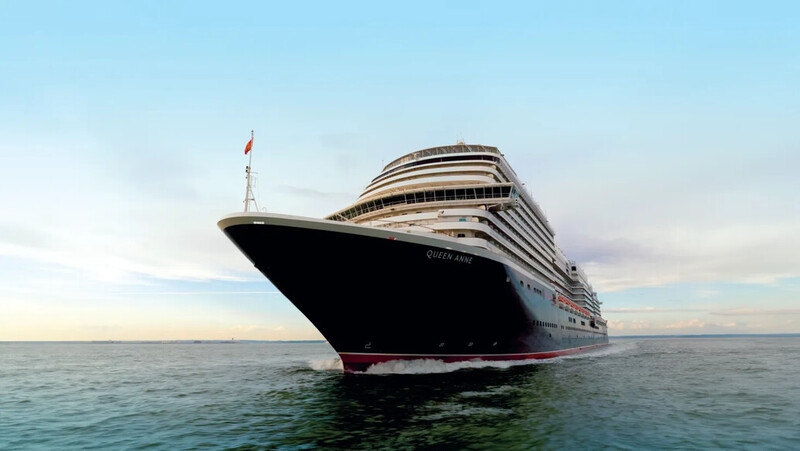
Stabilizers (1950s)
Before stabilizers, sea voyages meant days of seasickness as ships rolled across the Atlantic Ocean. The introduction of gyroscopic stabilizers in the 1950s revolutionized passenger comfort by reducing ship roll up to 90%. These massive fins extending from the hull counteract wave motion, making modern cruising accessible to travelers who would’ve never travelled before.
To this day, stabilizers remain a foundational technology on every cruise ship, though passengers rarely think about the engineering beneath their feet while having their fun on board.
Air Conditioning (1950s-1960s)
Early ocean liners relied on open portholes and deck ventilation for cooling, limiting comfortable cruising to specific seasons and routes. Shipwide air conditioning systems in the 1950s-60s enabled year-round Caribbean and Mediterranean sailings, as well as comfortable inside cabins without windows.
This innovation seems obvious now, but it fundamentally changed cruise economics by allowing ships to sail profitable itineraries regardless of weather.
Lido Decks and Outdoor Pools (1950s)
As cruising shifted from transportation to leisure, ships began dedicating top decks to recreation rather than utilitarian purposes. The introduction of outdoor pools, sunbathing areas, and casual buffet dining on Lido decks transformed cruising from formal ocean crossing into relaxed vacation experiences.
These casual spaces appealed to American families and younger travelers who found traditional ocean liner formality intimidating, democratizing cruising beyond the wealthy elite.
The Modern Cruise Era Begins: 1970s-1980s
Atriums (1980s)
Royal Caribbean's Sovereign of the Seas (1988) debuted something new: a soaring multi-deck atrium! It included indoor space spanning 5-7 decks with glass elevators, dramatic staircases, and central gathering areas. The atrium became cruise ship architecture's defining feature, replacing narrow corridors with light-filled spaces creating a sense of openness impossible on earlier ships.
Every modern cruise ship now features atriums as focal points for embarkation, gathering, and wayfinding. The innovation solved the maze-like confusion passengers experienced on older ships with identical hallways.
Alternative Dining (1980s-1990s)
Early cruise ships offered single main dining rooms with assigned seating and fixed times. Norwegian Cruise Line pioneered "Freestyle Cruising" in the 1990s, introducing multiple restaurants, flexible dining times, and varied cuisine options. This broke the regimented structure many travelers found restrictive.
Now ships routinely offer 10-20+ dining venues ranging from complimentary options to specialty restaurants, casual cafes, and 24-hour room service. Dining variety became an arms race among cruise lines competing for guests.
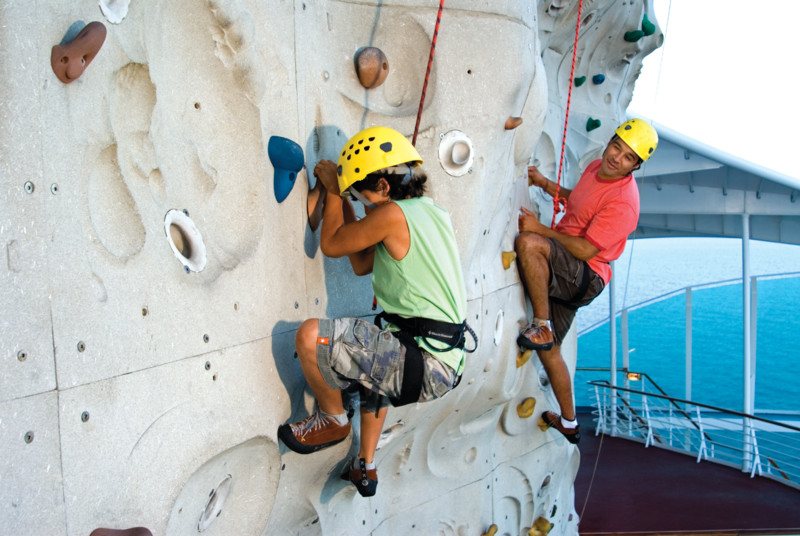
Rock Climbing Walls (1996)
Royal Caribbean's Voyager of the Seas shocked the industry in 1999 with the first rock climbing wall at sea, but the technology was tested earlier. The 40-foot wall seemed absurd.But it represented a philosophical shift toward active recreation appealing to younger travelers and families.
Rock walls became standard on Royal Caribbean ships and inspired competitors to add adventure features like zip lines, ropes courses, and surf simulators.
The Mega Ship Revolution: 2000s
Ice Skating Rinks (2000)
Royal Caribbean's Voyager-class ships (2000) introduced full-size ice skating rinks on cruise ships, complete with figure skating shows performed by professional skaters. The technical achievement, maintaining ice in Caribbean heat, demonstrated that cruise ships could deliver experiences rivaling land-based venues.
Ice rinks remain exclusive to Royal Caribbean, becoming signature features distinguishing their ships from competitors.
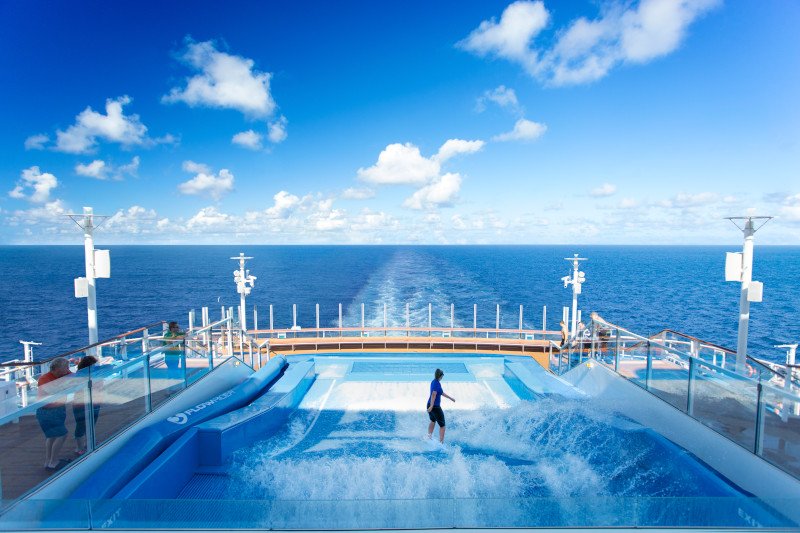
Surf Simulators - FlowRider (2000s)
The FlowRider surf simulator debuted on Royal Caribbean ships in the mid-2000s, using powerful water jets to create standing waves where guests could bodyboard or attempt surfing. The attraction provided action-sport thrills impossible in swimming pools while creating visually dynamic top-deck focal points.
FlowRider's success proved that investing in unique recreational features generated buzz and bookings, encouraging competitors to develop their own signature attractions.
Virtual Balconies (2014)
Royal Caribbean revolutionized inside cabins (cheapest category, no windows) with Virtual Balconies on Quantum-class ships: floor-to-ceiling HD screens displaying real-time views from cameras mounted on the ship's exterior. Suddenly inside cabins offered "views" and natural light cycles helping passengers maintain circadian rhythms.
The technology reduced the price premium between inside and balcony cabins while making inside staterooms more appealing to travelers who previously wouldn't consider them.
Dynamic Dining and Flexible Restaurants (2000s)
Building on Norwegian's freestyle concept, cruise lines introduced dynamic dining systems where guests choose restaurants, times, and companions each night rather than following fixed assignments. The My Time Dining and anytime dining programs gave travelers control over their schedules.
This responded to changing vacation preferences. Modern travelers resist rigid structures they don't face in normal life, where dinner happens when you're hungry, not because a schedule dictates 6:00 PM seating.
Entertainment and Technology Innovations: 2010s
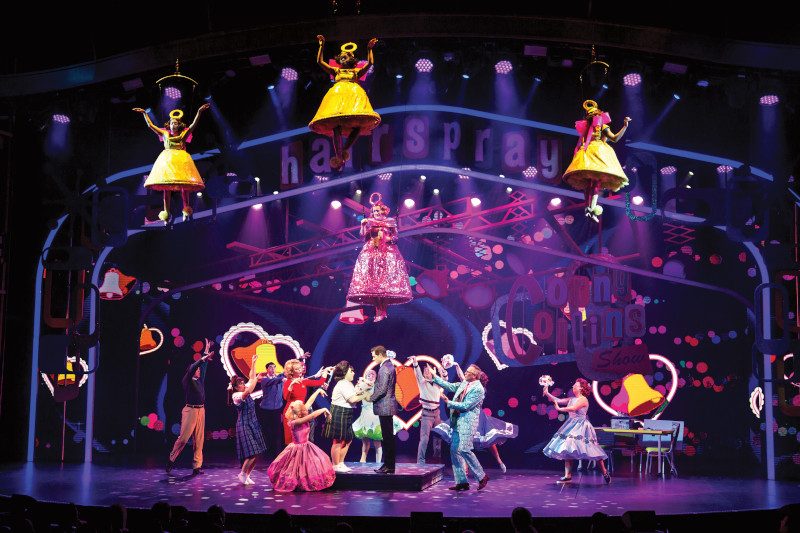
Broadway Shows and West End Productions (2000s-2010s)
Royal Caribbean partnered with Broadway producers to bring full-scale productions of Hairspray, Grease, Mamma Mia, and Cats to cruise ships. Norwegian followed with partnerships for Kinky Boots, Jersey Boys, and other shows. These were actual Broadway productions with professional casts, sets, and orchestras.
The innovation elevated cruise entertainment from variety shows and magic acts to legitimate theater experiences rivaling land venues. It also attracted guests who might never have considered cruising but wanted to see Broadway shows while vacationing.
Largest Water Slides at Sea (2010s)
Cruise lines began competing for "biggest, fastest, longest" waterslide records. Royal Caribbean's Ultimate Abyss (2016) plunged 10 stories as the tallest slide at sea. Norwegian's Aqua Racer featured side-by-side racing slides with translucent sections extending over the ocean. Carnival introduced the first roller coaster at sea, BOLT, on Mardi Gras.
These slides incorporated loop-de-loops, racing elements, and transparent sections creating thrills rivaling theme parks while offering ocean views impossible on land.
RFID Technology and Wearables (2010s)
Princess Cruises introduced the Ocean Medallion (2017), a quarter-sized wearable device replacing traditional keycards. The medallion unlocks cabin doors automatically as you approach, enables touchless payments throughout the ship, allows crew members to greet guests by name, and helps locate companions through the ship's app.
Royal Caribbean's WOW Band and MSC's wristbands followed similar concepts. The technology simplified onboard experience while collecting data helping cruise lines optimize operations: tracking which restaurants get crowded when, which shows sell out, and where bottlenecks occur.
Fastest Internet at Sea (2010s-2020s)
For decades, cruise ship internet was notoriously terrible. It was slow, expensive, and unreliable. The shift from satellite to Starlink and improved satellite technology in the 2020s finally delivered streaming-capable speeds. Royal Caribbean's VOOM internet, Princess's MedallionNet, and Norwegian's Starlink integration now provide 50-200 Mbps connections enabling video calls, streaming, and remote work from sea.
This opened cruising to digital nomads and remote workers who previously couldn't disconnect for weeks. It also helped families staying connected with relatives and friends.
Escape Rooms and Virtual Reality (2010s-2020s)
Royal Caribbean debuted escape rooms on several ships, creating immersive puzzle experiences in dedicated venues. Virtual reality experiences ranging from VR arcade games to interactive adventures appeared across multiple cruise lines. These experiences appealed to younger travelers seeking innovative entertainment beyond traditional cruise activities.
Architectural and Design Breakthroughs: 2010s-2020s
Central Park at Sea (2010)
Royal Caribbean's Oasis-class ships (2010) introduced Central Park. It’s an actual outdoor park on Deck 8 (middle of the ship) with over 12,000 living plants, trees, and pathways lined with restaurants and bars. The neighborhood concept divided mega-ships into distinct zones with different atmospheres rather than monotonous decks that all feel identical.
Central Park proved that cruise ships could deliver unexpected experiences while providing quiet spaces contrasting with pool deck energy.
Infinite Verandas (2018)
Celebrity Cruises introduced Infinite Verandas: stateroom balconies where floor-to-ceiling windows retract at the touch of a button, transforming the room into indoor-outdoor living spaces. Unlike traditional balconies with small doors and furniture outside, Infinite Verandas bring the ocean into your cabin.
The innovation solved a complaint about traditional balconies—they're often too hot, windy, or uncomfortable to use for extended periods. Infinite Verandas provide ocean connection with climate-controlled comfort.
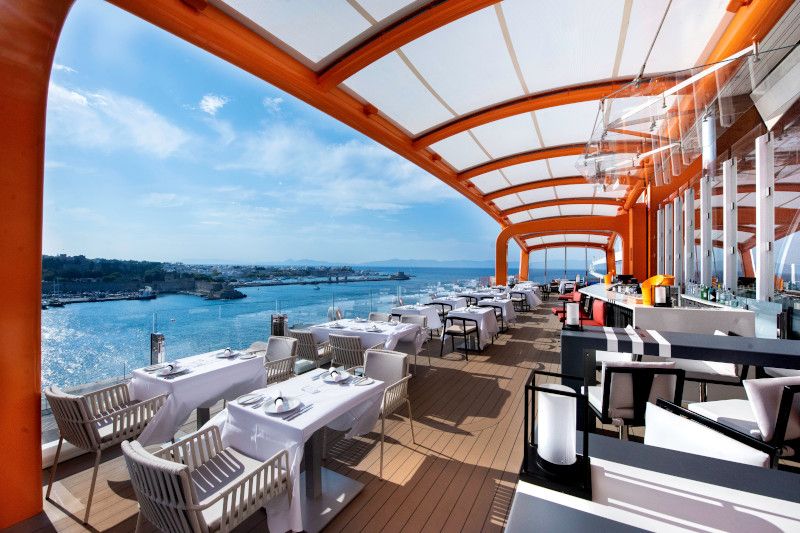
The Magic Carpet (2018)
Celebrity Edge's cantilevered platform extends from the ship's side, moving vertically to function as different venues on different decks: a specialty restaurant, embarkation platform, or sunset lounge. The engineering accomplishment of a tennis-court-sized platform extending 13 stories above the ocean created dramatic visual impact and genuinely versatile space.
Suite Neighborhoods and The Haven (2010s)
Norwegian Cruise Line developed The Haven: a ship-within-a-ship concept where suite guests access exclusive restaurants, pools, lounges, and concierge services separated from the rest of the ship. Royal Caribbean's Royal Suite Class, Celebrity's Retreat, and MSC's Yacht Club followed similar models.
These exclusive areas responded to luxury travelers who wanted cruise convenience but worried about crowding and lack of privacy on mega-ships carrying 5,000+ passengers.
Environmental and Operational Innovations: 2020s
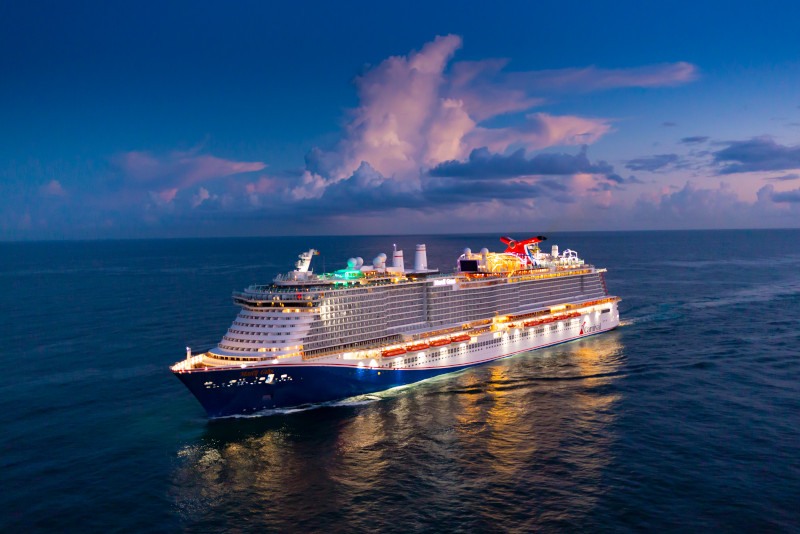
LNG-Powered Ships (2018-Present)
Carnival's AIDAnova (2018) became the first cruise ship powered by liquefied natural gas (LNG), reducing sulfur oxide emissions by 99%, nitrogen oxide by 85%, and particulates by 95% compared to traditional marine fuel. Multiple cruise lines have followed with LNG ships, addressing environmental concerns about cruise industry emissions.
While LNG isn't zero-emission, it represents significant improvement and demonstrates the industry's response to environmental criticism and regulatory pressure.
Advanced Air Quality Systems (2020-Present)
The COVID-19 pandemic accelerated adoption of medical-grade HVAC systems with HEPA filtration, UV-C light sterilization, and increased fresh air exchange rates. These systems now filter cabin and public area air multiple times hourly, removing particles, viruses, and bacteria.
Though prompted by pandemic concerns, the technology improves general air quality and reduces transmission of common illnesses that traditionally spread quickly in enclosed ship environments.
Shore Power Capabilities (2020s)
Modern ships can "plug in" at equipped ports, running on shore electrical power rather than burning fuel while docked. This eliminates emissions in port cities and reduces noise pollution, addressing community concerns about cruise ship environmental impact.
Implementation requires ports to invest in electrical infrastructure, so adoption is gradual, but it represents important progress toward sustainable cruising.
The Bleeding Edge: 2025-2027 Innovations
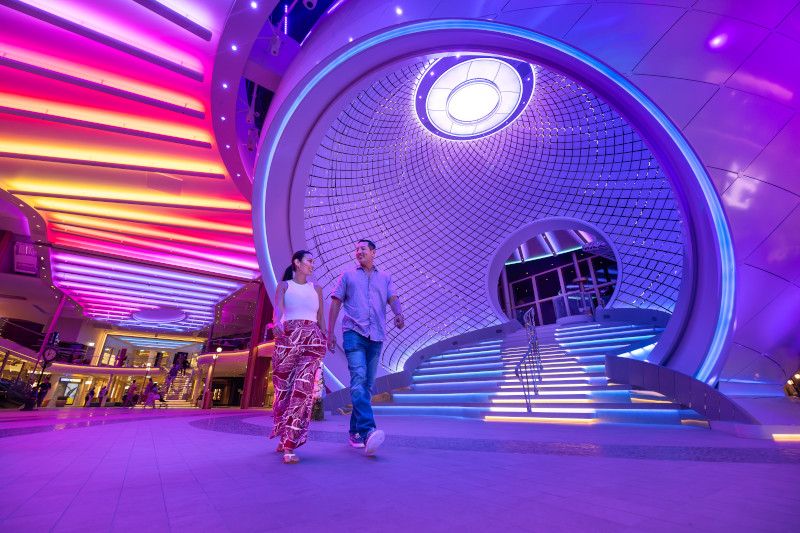
Icon Class Neighborhoods (2024)
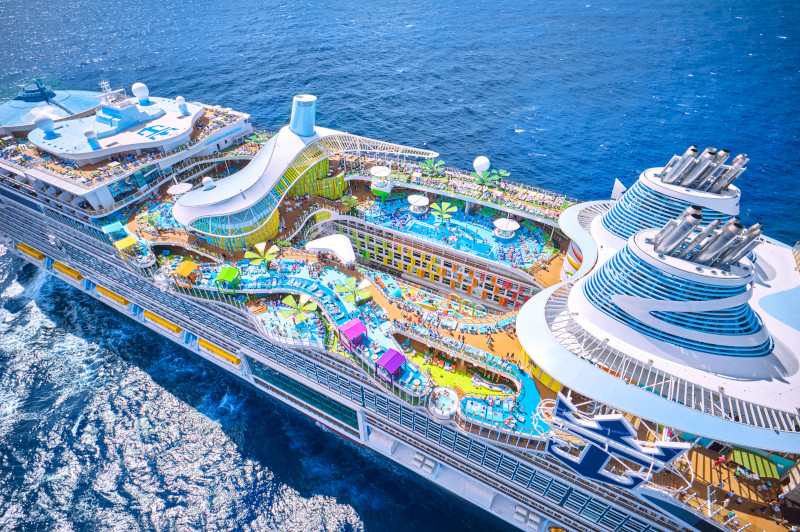
Royal Caribbean's Icon of the Seas refined the neighborhood concept with eight distinct zones including Surfside (family area), Hideaway (adults-only), and Thrill Island (waterpark). The scale, 7,600 passengers at capacity, required innovative crowd distribution to prevent overwhelming single areas.
Perfect Day Mexico (2027)
Royal Caribbean's private destination opening in 2027 features Jaguar's Peak, the tallest waterslide tower in the Americas, Loco Waterpark with 30+ slides, and the world's longest "lazy crazy river" combining lazy river relaxation with wave features and jets.
This represents the evolution of private destinations from simple beaches to purpose-built theme park experiences rivaling or exceeding anything available on the ships themselves.
AI and Machine Learning Integration (2020s-Present)
Behind the scenes, cruise lines deploy AI predicting maintenance needs before equipment fails, optimizing food orders to reduce waste, and personalizing recommendations through apps based on past behavior. These systems improve operations while remaining invisible to guests.
Why Innovation Matters to Travelers
These innovations aren't just bragging rights for cruise lines. They directly impact your vacation experience:
- More options mean you find activities matching your interests rather than settling for limited choices.
- Better technology keeps you connected, entertained, and comfortable throughout voyages.
- Environmental improvements make cruising more sustainable and reduce impact on destinations you visit.
- Enhanced safety through air quality systems, stabilization, and operational technology creates healthier, more comfortable environments.
- Diverse dining ensures you eat well regardless of dietary preferences or restrictions.
- Unique experiences create memories and stories distinguishing your cruise from generic beach vacations or resort stays.
The cruise industry's relentless innovation explains why it's grown from niche transportation into a dominant vacation category. Each breakthrough solves problems while creating new expectations that drive the next innovation cycle. Whether you're seeking cutting-edge technology, adventure thrills, culinary excellence, or environmental responsibility, modern cruise ships deliver experiences that didn't exist even a decade ago.
Ready to experience the latest cruise ship innovations? Browse upcoming cruises on the newest ships from Royal Caribbean, Celebrity, Carnival, Norwegian, and more with CruiseDirect!
