Brussels blends medieval grandeur with modern European culture, delivering world-class museums, UNESCO-listed architecture, legendary chocolate shops, and enough beer varieties to last a lifetime, all within a compact, walkable city center.
Belgium's capital doesn't always top European bucket lists the way Paris or Amsterdam do, but dismissing Brussels as merely a bureaucratic EU headquarters city means missing one of Europe's most underrated destinations. This compact metropolis packs medieval market squares, surrealist art museums, Art Nouveau masterpieces, comic strip murals covering entire buildings, and culinary traditions elevating chocolate and beer to art forms.
The historic center remains remarkably walkable. You can reach most major attractions within 15-20 minutes from Grand Place on foot, though the metro and tram system efficiently connects outlying neighborhoods. Brussels rewards wanderers willing to explore beyond the famous Manneken Pis statue into neighborhoods where locals actually eat, drink, and live.
Historical & Cultural Landmarks
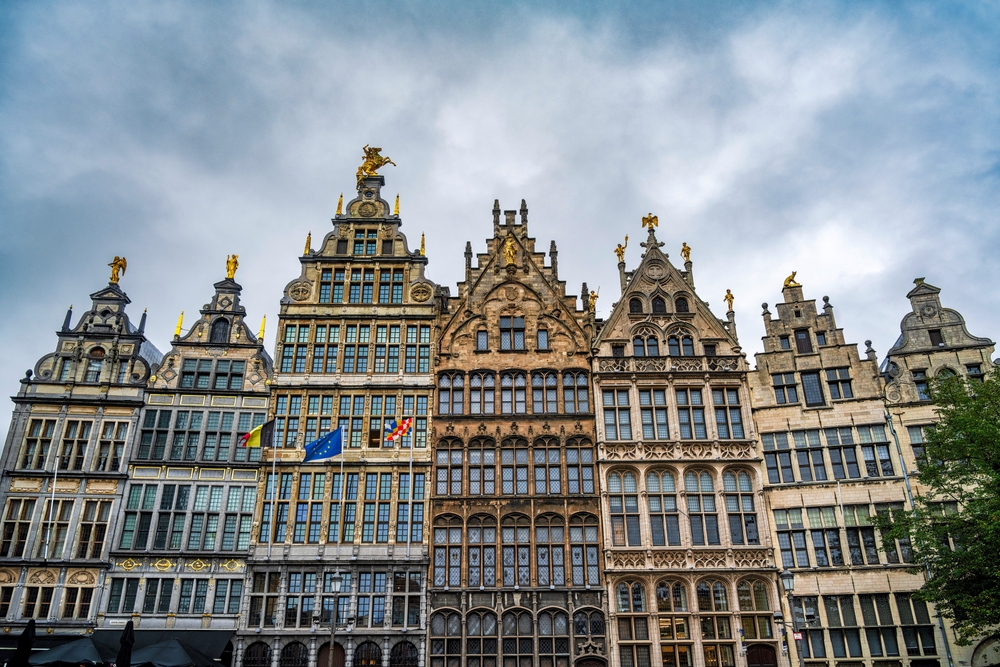
1. Grand Place (Grote Markt)
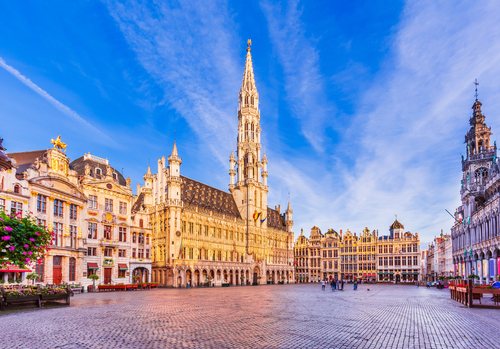
Grand Place anchors Brussels as the undisputed heart of the city and one of Europe's most spectacular public squares. UNESCO designated the entire square a World Heritage Site for its remarkable architectural unity—opulent Baroque and neo-Gothic guild houses with gilded facades surrounding the towering Town Hall create an overwhelming visual feast impossible to capture in single photographs.
The Town Hall dominates the square with its asymmetrical Gothic facade and 96-meter tower topped with a statue of Saint Michael slaying a demon, Brussels' patron saint. The Maison du Roi (King's House) occupies the square's opposite side, housing the Brussels City Museum displaying the city's history through art, tapestries, and Manneken Pis's extensive wardrobe collection. Grand Place transforms throughout the day—early morning brings soft light and minimal crowds, while evening illumination highlights the gilded facades creating magical ambiance.
Tips for visiting:
- Free to visit 24/7
- Best photo times: early morning (6-8 AM) or evening after 7 PM
- Flower Carpet event: even-numbered years, August (every 2 years)
- Avoid overpriced restaurants directly on the square
- 5-minute walk from Brussels Central Station
2. Manneken Pis
Let's address Brussels' most overrated but iconic attraction—the 24-inch bronze statue of a naked boy urinating into a fountain basin. Created in 1619 by sculptor Jérôme Duquesnoy, the statue embodies Brussels' irreverent spirit and proud independence. Manneken Pis owns over 1,000 outfits stored at the Brussels City Museum, with new costumes added regularly for holidays and events. The statue gets dressed several times weekly in elaborate costumes ranging from Elvis Presley to Santa Claus to various national dress.
Tips for visiting:
- Free, viewable 24/7
- Located 5-minute walk from Grand Place
- Gets dressed 3-4 times weekly (check schedule online)
- GardeRobe MannekenPis museum displays costume collection
- Companion statues: Jeanneke Pis (girl) and Het Zinneke (dog) located elsewhere in Brussels
- It takes about 2 minutes to see—manage expectations!
3. Atomium
The Atomium stands as Brussels' answer to Paris's Eiffel Tower—a structure built for the 1958 World's Fair representing an iron crystal magnified 165 billion times. Standing 102 meters tall with nine spheres connected by tubes, visitors can take an express elevator to the top sphere for panoramic Brussels views, explore exhibitions inside the spheres, and walk through the connecting tubes. The structure illuminates dramatically at night, making it photogenic from nearby vantage points.
Tips for visiting:
- Admission: €18 adults, €10 children (6-17)
- Hours: 10 AM - 6 PM daily
- Located in Heysel area, 20-30 minutes from city center
- Metro: Line 6 to Heysel station
- Allow 1-2 hours for visit
- Combine with Mini-Europe next door
- Book tickets online to skip lines
4. Royal Palace of Brussels
The Royal Palace serves as the official headquarters of Belgium's constitutional monarchy, though the royal family hasn't lived here since 1831. The palace opens to the public free of charge during late summer, allowing visitors to explore the state rooms, throne room, and Hall of Mirrors with its ceiling decorated with 1.6 million jewel beetle wing cases creating a shimmering green canopy.
Tips for visiting:
- Open late July through August only (typically 6-8 weeks)
- Free admission during open season
- Hours: 10:30 AM - 5 PM (closed Mondays)
- Located at Place des Palais
- Metro: Parc or Trône stations
- Allow 45-60 minutes
- Security screening required
- Exterior viewable year-round
Museums & Art Galleries You Have to Visit
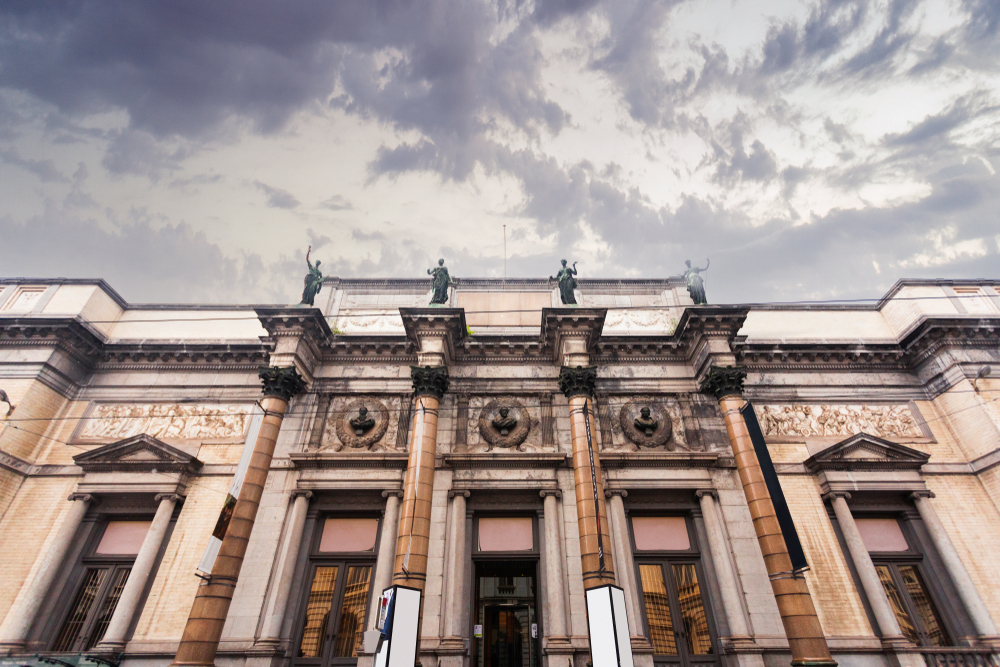
1. Royal Museums of Fine Arts of Belgium
The Royal Museums of Fine Arts houses over 20,000 works spanning six centuries of art history across multiple connected buildings. The collection includes masterpieces by Flemish Primitives like Jan van Eyck, Flemish Baroque masters Peter Paul Rubens and Anthony van Dyck, and modern Belgian artists. The museum complex is divided into specialized sections: Old Masters Museum (15th-18th centuries), Fin-de-Siècle Museum (19th-century art), and the Magritte Museum.
Tips for visiting:
- Admission: €10 adults (covers Old Masters + Fin-de-Siècle)
- Magritte Museum: separate €10 ticket or €15 combo
- Hours: Tuesday-Sunday 10 AM - 5 PM, closed Mondays
- Located at Rue de la Régence near Place Royale
- Allow 2-3 hours for full visit
- First Wednesday of month: free entry after 1 PM
- Audio guides available
2. Magritte Museum
René Magritte ranks among the 20th century's most influential surrealist artists, and Brussels dedicated an entire museum to his work featuring over 200 paintings, sculptures, and drawings. The collection spans Magritte's entire career from early experiments to iconic works like "The Treachery of Images" and "The Empire of Light," organized chronologically and thematically to trace his artistic evolution.
Tips for visiting:
- Admission: €10 adults, or €15 combo with Fine Arts Museums
- Hours: Tuesday-Sunday 10 AM - 5 PM
- Located at Place Royale 1
- Allow 1-2 hours
- Audio guide included in admission
- Photography allowed without flash
3. Belgian Comic Strip Center
Brussels earned its reputation as the comic capital of Europe, and this museum celebrates Belgian comic art in a stunning Art Nouveau building designed by Victor Horta. The museum features beloved characters like Tintin, the Smurfs, Lucky Luke, and Blake and Mortimer, explaining the comic creation process from sketches to published albums.
Tips for visiting:
- Admission: €10 adults, €7 children (under 12)
- Hours: Tuesday-Sunday 10 AM - 6 PM
- Located at Rue des Sables 20
- Metro: De Brouckère or Botanique
- Allow 1-2 hours
- Gift shop excellent for comic merchandise
- Combine with comic strip mural walking tour (80+ murals citywide)
4. Musical Instruments Museum (MIM)
The Musical Instruments Museum houses over 7,000 instruments from the Middle Ages to present day in a beautiful Art Nouveau building. Visitors receive headphones that automatically play music as they approach different instruments, creating an immersive audio experience. The rooftop cafe offers stunning panoramic views across Brussels.
Tips for visiting:
- Admission: €10 adults, €8 seniors/students
- Hours: Tuesday-Friday 9:30 AM - 5 PM, weekends 10 AM - 5 PM
- Located at Rue Montagne de la Cour 2
- Audio headphones included in admission
- Rooftop cafe has best views in Brussels (no museum ticket required)
- Allow 1-2 hours
Visit the European Quarter
1. Parlamentarium
The Parlamentarium serves as the European Parliament's visitor center, offering free interactive exhibits explaining how the EU works, its history, and its impact on daily life. The massive 360-degree cinema immerses visitors in European politics, while interactive displays and multimedia kiosks make complex topics accessible and engaging.
Tips for visiting:
- Free admission
- Hours: Monday-Friday 9 AM - 6 PM, Saturday-Sunday 10 AM - 6 PM
- Located at Wiertzstraat 60
- Metro: Schuman or Maelbeek stations
- Allow 1-2 hours
- Audio guides in 24 languages
- Reserve guided tours in advance
- Bring photo ID for security
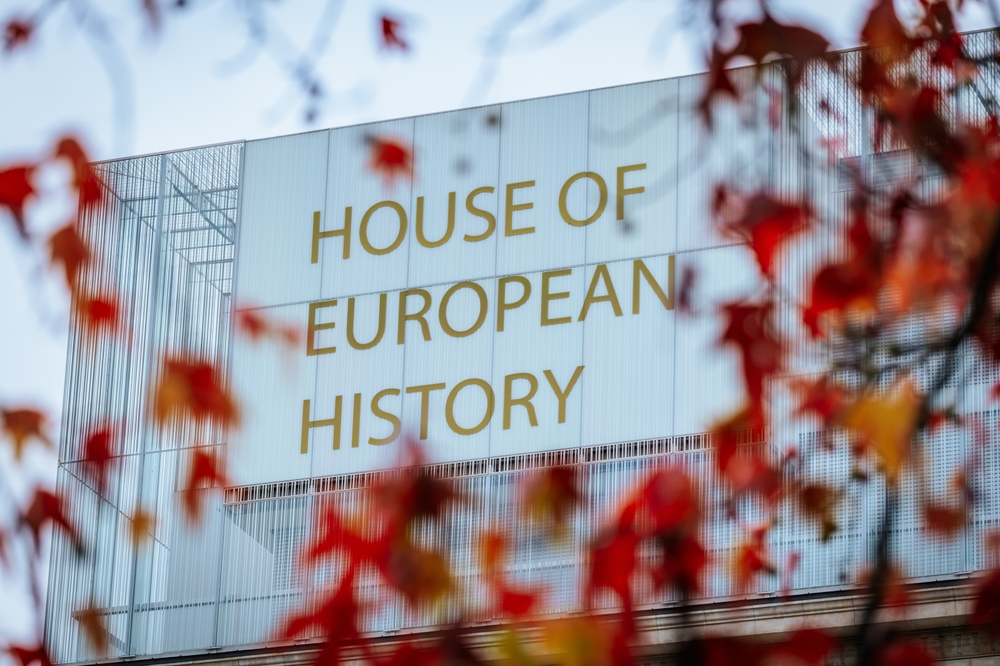
2. House of European History
The House of European History traces European history from ancient times to present day, focusing on moments of integration, conflict, and cultural exchange that shaped the continent. Modern interactive displays, multimedia installations, and historical artifacts create an engaging journey through European civilization.
Tips for visiting:
- Free admission
- Hours: Tuesday-Sunday 10 AM - 6 PM (closed Mondays)
- Located at Rue Belliard 135
- Metro: Schuman station
- Allow 2-3 hours
- Tablet guides included (24 languages)
- Photography allowed
3. Cinquantenaire Park & Museums
Cinquantenaire Park was built in 1880 to commemorate Belgium's 50th anniversary of independence. The massive triumphal arch dominates the 74-acre park, which houses three major museums: the Royal Museum of the Armed Forces and Military History, Art & History Museum (Cinquantenaire Museum), and Autoworld automobile museum. Visitors can climb to the top of the arch for panoramic Brussels views.
Tips for visiting:
- Park: free, open 6 AM - 10 PM (summer), 7 AM - 7 PM (winter)
- Metro: Merode station (Line 1 or 5)
- Allow 2-4 hours depending on museums visited
- Arch access: purchase Military Museum ticket, climb 140 steps
Explore Food & Neighborhoods
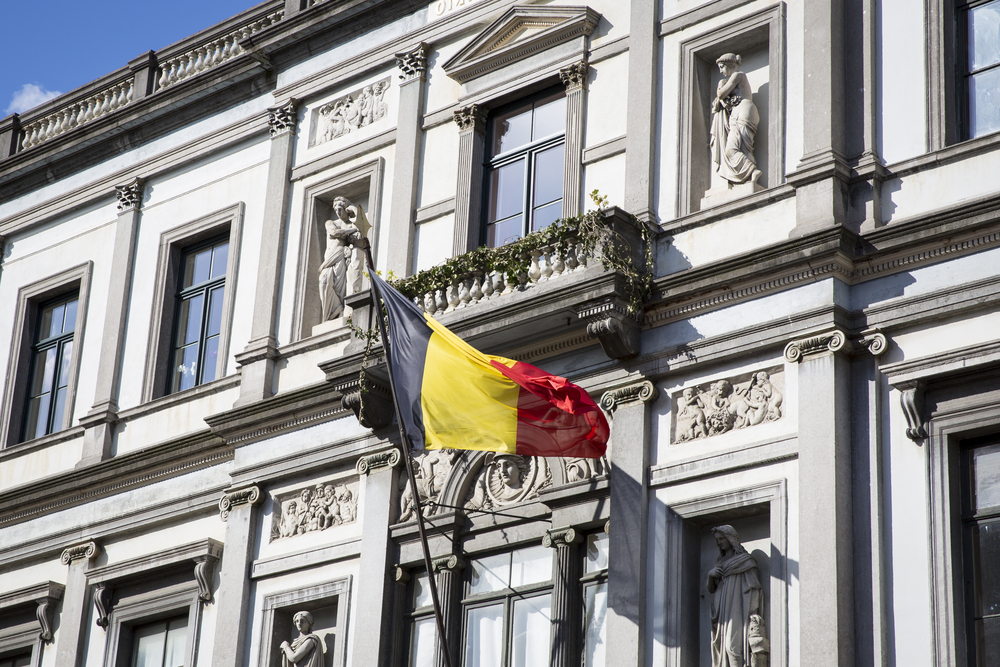
Belgian Chocolate
Brussels stands as one of the world's chocolate capitals, with artisan chocolatiers crafting pralines, truffles, and innovative creations using traditional techniques and premium ingredients. Skip touristy shops selling mass-produced chocolates around Grand Place in favor of renowned chocolatiers producing fresh daily batches.
Where to go:
- Pierre Marcolini: Luxury chocolates, multiple locations
- Neuhaus: Inventor of the praline (1912), flagship at Galeries Royales
- Mary Chocolatier: Royal warrant holder since 1942
- The Chocolate Line: Innovative flavors (chili, cannabis, tobacco)
- Choco-Story Brussels: Chocolate museum with tastings, €9.50 admission
Belgian Beer
Belgium produces over 1,500 beer varieties including Trappist ales, lambics, saisons, and strong dark beers. Brussels offers countless beer cafes, specialty bars, and breweries where visitors can sample rare and traditional Belgian brews paired with appropriate glassware enhancing each beer's characteristics.
Where to drink:
- Delirium Cafe: Guinness World Record holder (2,000+ beers), touristy but impressive
- Moeder Lambic: Craft beer specialist, rotating taps
- Cantillon Brewery: Working lambic brewery with tours, authentic Brussels tradition
- Belgian Beer World: Museum in former stock exchange building, tastings on roof terrace
Belgian Waffles
Brussels offers two waffle styles: Brussels waffles (light, rectangular, larger pockets) and Liège waffles (denser, round, caramelized sugar). Avoid tourist-trap waffle stands around Grand Place charging inflated prices for mediocre quality. Seek out spots where locals buy fresh waffles.
Where to go:
- Maison Dandoy: Traditional Belgian waffle maker since 1829
- The Old Chocolate House: Waffles with giant hot chocolates, granny-house setting
- Lizzie's Pancakes: Local favorite for breakfast waffles
- House of Waffles: Fresh made-to-order waffles
Belgian Fries (Frites)
Belgians invented fries (not the French) and take them seriously—double-frying creates crispy golden exteriors with soft interiors. Served in paper cones with various sauces, frites from Brussels' friteries make addictive street food available citywide.
Where to go:
- Maison Antoine: Place Jourdan, Brussels institution since 1948
- Fritland: Near Grand Place, open late
- Frit Flagey: Popular neighborhood spot
Galeries Royales Saint-Hubert
The Galeries Royales Saint-Hubert (Royal Saint-Hubert Galleries) are glass-roofed shopping arcades built in 1847 as Europe's first glazed shopping galleries. The stunning architecture houses luxury boutiques, chocolate shops (including Neuhaus flagship), bookstores, cafes, and restaurants under soaring glass ceilings flooding the space with natural light.
Place Sainte-Catherine & Seafood
Place Sainte-Catherine centers Brussels' seafood restaurant district, with numerous bistros and brasseries specializing in fresh fish, mussels, oysters, and shellfish. The former fish market now serves as a neighborhood gathering place surrounded by restaurants offering outdoor terraces in warm weather.
Where to eat:
- Noordzee/Mer du Nord: Casual seafood counter, fresh catches
- La Belle Maraîchère: Traditional Belgian seafood brasserie
- Bij den Boer: Classic fish and shellfish restaurant
Must-Try Brussels Foods
Brussels delivers specific culinary specialties beyond chocolate, beer, waffles, and fries that food-focused visitors should seek out during extended stays.
- Carbonnade Flamande: Belgian beef stew braised in beer with onions, mustard, and spices, typically served with frites or bread. Rich, hearty, perfect for cold weather.
- Waterzooi: Creamy chicken or fish stew with vegetables and cream, Ghent specialty widely available in Brussels. Comfort food at its finest.
- Stoemp: Mashed potatoes mixed with vegetables (carrots, leeks, Brussels sprouts) served with sausages or pork. Traditional working-class dish now appearing on upscale menus.
- Speculoos: Spiced shortcrust biscuits traditionally eaten around Christmas but available year-round in Brussels. Buy tins to bring home.
- Vol-au-vent: Puff pastry shells filled with creamy chicken and mushroom sauce. Belgian comfort food classic.
Day Trips from Brussels
1. Bruges (90 km northwest)
Bruges ranks as Belgium's most picturesque medieval city, often called the "Venice of the North" for its canal network threading through perfectly preserved Gothic architecture. The UNESCO-listed historic center features the 83-meter Belfry tower, cobblestone squares lined with stepped-gable houses, lace shops, chocolate artisans, and canal boat cruises revealing hidden gardens and scenic bridges.
Getting there:
- Train: 1 hour from Brussels Central/Midi stations, €15-20 round-trip
- Trains run every 30 minutes
- Bruges station 15-minute walk to historic center
What to see:
- Markt Square and Belfry (climb 366 steps for views)
- Rozenhoedkaai (most photographed canal view)
- Church of Our Lady (Michelangelo's Madonna and Child)
- Canal boat cruise (30 minutes, €12)
- Chocolate shops (The Chocolate Line, fresh daily)
2. Ghent (55 km northwest)
Ghent combines medieval architecture with university-town energy, offering castle fortifications, canal-side dining, vibrant nightlife, and fewer crowds than Bruges. The compact historic center features Gravensteen Castle, Saint Bavo's Cathedral housing the Ghent Altarpiece, and lively Graslei waterfront.
Getting there:
- Train: 35 minutes from Brussels, €10-15 round-trip
- Trains every 15-30 minutes
- Station 15-minute tram to city center
What to see:
- Gravensteen Castle (medieval fortress)
- Saint Bavo's Cathedral (Ghent Altarpiece)
- Graslei and Korenlei (picturesque canal streets)
- Street food at Groentenmarkt square
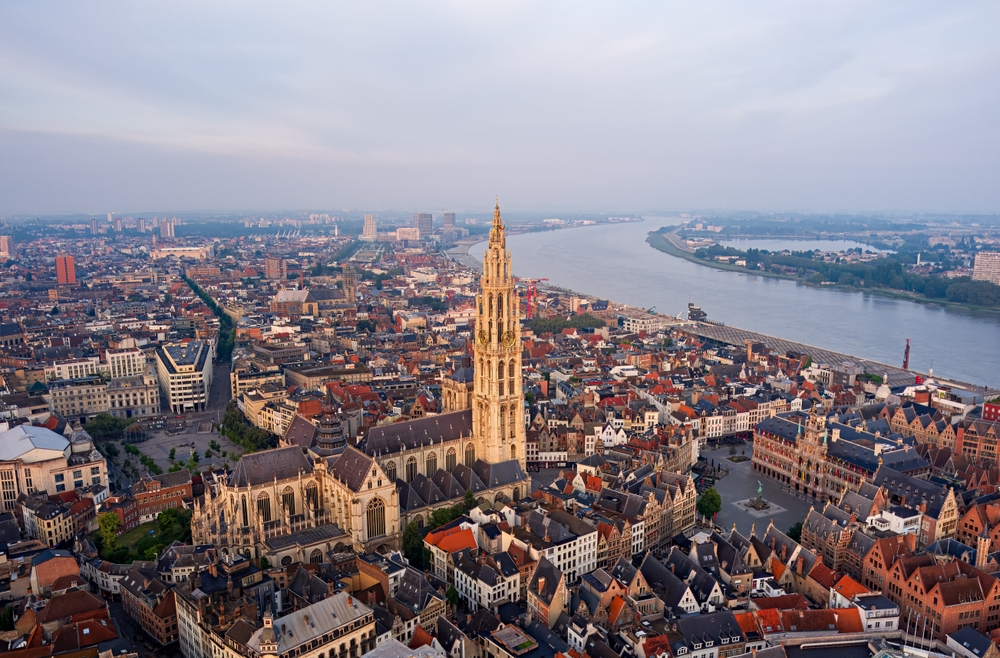
3. Antwerp (45 km north)
Antwerp thrives as Belgium's fashion and diamond capital, blending Renaissance architecture with cutting-edge design. The historic center features the Cathedral of Our Lady (Rubens paintings), stunning Antwerp Central Station (often ranked world's most beautiful), and diamond district where 80% of the world's rough diamonds are traded.
Getting there:
- Train: 45 minutes from Brussels, €8-12 round-trip
- Trains every 15 minutes
- Central Station itself worth visiting
What to see:
- Antwerp Central Station (architectural masterpiece)
- Cathedral of Our Lady (Rubens paintings)
- Grote Markt (Renaissance guild houses)
- MAS Museum (city history and harbor views)
- Diamond district shopping
Why Brussels Deserves Your Time
Brussels operates as a city of contrasts—medieval Grand Place steps from futuristic EU institutions, world-class art museums alongside comic strip murals, Michelin-starred restaurants, neighboring friteries serving paper cones of double-fried potatoes. The city doesn't demand attention the way Paris or Rome do, instead rewarding curious visitors willing to wander cobblestone alleys discovering Art Nouveau townhouses, neighborhood cafes serving 200 beer varieties, and chocolatiers crafting edible art.
The compact size allows efficient exploration—most visitors cover major highlights in 1-2 days, while food and beer enthusiasts can easily justify 3-4 days sampling Brussels' culinary scene. The city serves as an excellent base for Belgian day trips, with Bruges, Ghent, and Antwerp all reachable within an hour by frequent trains.
Brussels works equally well as a standalone destination or a waypoint between other European cities. Whether you're here for a quick afternoon between train connections or dedicating several days to deep exploration, the Belgian capital delivers surprising depth across history, art, architecture, and especially food and drink.
