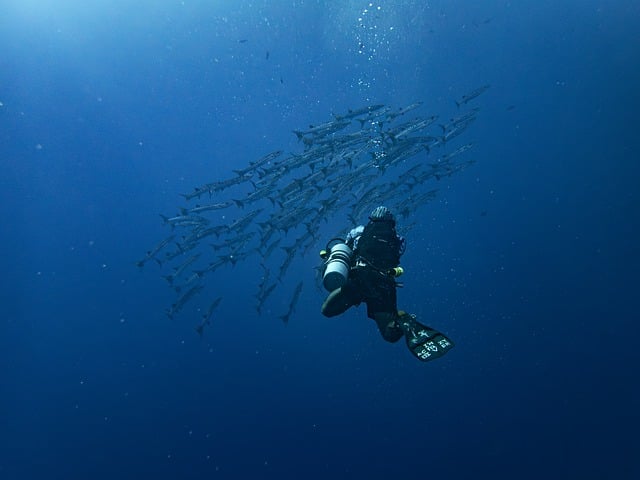
Marine biologists have a super-exciting job: They get to study all kinds of animals that live in the ocean. From tiny plankton to giant whales, these scientists focus on learning how ocean creatures live, grow, and survive. One of their most important goals is to protect sea animals and their habitats. To do this, they need boats, which help marine biologists travel to different parts of the ocean, some of which are far from shore. Without boats, it would be really hard for marine biologists to explore and study many of the animals they care about.
What Is a Marine Biologist?
A marine biologist is a scientist who studies plants and animals that live in the ocean or other salty water. They focus on creatures of all sizes, from microscopic algae (tiny plants you can't even see without the help of a microscope) to huge animals like sharks and whales. Marine biologists learn how these animals find food, stay safe, and grow. But their work doesn't stop there! They also help protect the ocean and keep it healthy. Sometimes, they go on long boat trips to find new sea creatures or learn more about the ocean's secrets. It's a fun and adventurous job for anyone who loves the sea.
The Role of Boats in Marine Biology
Boats are incredibly important for marine biologists. Since the ocean is so big and deep, a lot of places can't be reached from the shore. This is where boats come in handy. Research boats act like moving science labs, allowing marine biologists to conduct experiments and make observations on the water. They use boats to travel far out into the ocean and even explore deep underwater areas. In shallow places, like coral reefs, marine biologists use smaller boats, such as kayaks, to reach animals and plants that live in these areas. These boats help scientists get close to creatures they're studying and use special tools to collect water samples or even catch fish for further research. Without boats, studying the ocean would be much harder.
Cleanup Missions
In addition to studying animals, marine biologists also work hard to keep the ocean clean. Plastic bottles, bags, and other trash often find their way into the water, and that's very bad for sea creatures. This trash can get eaten by turtles and dolphins, or they can get tangled in it and get hurt. Volunteers and marine biologists sometimes go to beaches to clean up trash or use boats to collect floating garbage from the water, grabbing the debris with special tools. Everyone who loves the ocean should help to keep it clean for all of the animals that live there.
Wildlife Surveys
Conducting wildlife surveys is one of the most exciting parts of being a marine biologist. These surveys involve going out on boats and looking for creatures like whales, dolphins, sharks, and schools of fish in the ocean. Marine biologists look at how many animals there are and make sure they are OK. Surveys also keep track of where animals go in different seasons. For example, a whale may travel thousands of miles each year to find food or have babies. These surveys help marine biologists learn a lot about the health of a species and whether the species is endangered. It also helps protect animals from threats such as pollution and overfishing.
The Impact of Conservation Efforts
Many marine biologists do a lot to help protect the ocean. One way they can make a difference is by creating a Marine Protected Area (MPA). An MPA is a special section of the ocean where fishing and other damaging activities aren't allowed. MPAs protect sea animals and provide them with a safe habitat to grow and reproduce. They can help entire ocean ecosystems to recover and remain healthy over time. Marine biologists also come up with better ways to fish that don't harm other animals. They work hard to keep the ocean clean and safe so that people can enjoy it without also damaging it.
How Can Kids Get Involved?
Kids can help to protect the ocean in lots of fun and easy ways, too. A great way to do this is by joining a local beach cleanup. Picking up trash helps keep the ocean clean and safe for the sea creatures that make it their home. You can also help to keep trash out of our oceans by using reusable items like water bottles, bags, or straws instead of plastic ones. Learning more about the ocean is another cool way to get involved. You can read books, watch videos, or visit an aquarium to learn about the beautiful creatures that live in the sea. Some organizations also have programs where kids can volunteer to help protect the ocean. Doing small things can make you an ocean hero and really make a difference!
Additional Resources
- What Is Marine Biology?
- SciShow Kids Coolest Ocean Facts
- Five Mind-Blowing Facts About the Ocean
- Octopuses Have Been Seen Throwing Things at Each Other: Here's Why
- What Is a Marine Biologist?
- Marine Biomes
- Seven Fun Ocean Songs for Kids
- Wild Kratts Power Suit Underwater Challenge
- Discover Your World With NOAA
- STEM Career Inspiration for Kids: Marine Biologist
- Giant Ocean Tank Webcam
- Shark Fact Sheet
- Nine of the Strangest Deep-Sea Creatures
- What Does a Marine Biologist Do?
- Krill Smackdown Game
- Five Simple Things You Can Do for the Ocean
- Mercury Messes With the Environment
- Family Cruises on the World's Oceans
- Watch the National Aquarium's Animals
- Job Duties of Marine Biologists
- Explore the Seas on a Cruise
- Marine Biology Innovations: How Marine Biologists Are Changing the World