What cultural workshops are available on a cruise ship, and which lines offer them? Onboard cultural workshop programs cover destination cooking and food culture, language and phrase classes, traditional dance and music, local craft and art sessions, and history and destination lectures tied to the ports being visited. Viking, Holland America, Oceania, Celebrity, and Princess are the strongest lines for structured cultural learning programs. Most destination lectures and language taster sessions are included in the cruise fare; hands-on workshops with materials typically run $20 to $40 per session. This guide covers what is available, which lines do it best, and how to connect what you learn onboard to what you experience ashore.
| Best cruise lines for cultural workshops | Viking, Holland America, Oceania, Celebrity, Princess |
|---|---|
| Workshop types | Cooking, language, dance, craft, history lectures, destination talks |
| Typical cost | Free to $40 per session |
| Best itineraries | Mediterranean, Asia, World Cruises, Caribbean |
Why Cultural Workshops Make a Cruise More Than a Holiday
A cruise without cultural context is a list of ports. A cruise with it is a journey.
Context transforms a port visit: Walking into the Hagia Sophia knowing its history as a Byzantine church, Ottoman mosque, secular museum, and active mosque again is a different experience from walking in cold. A 45-minute destination lecture the evening before a port call changes what you see and what you remember.
Learning before you arrive makes the arrival matter more: The cooking demonstration covering Provençal cuisine the night before Marseille, the language session teaching basic Greek before Athens, the lecture on Ottoman architecture before Istanbul — each one turns a port day from sightseeing into recognition. You are not seeing something for the first time; you are meeting something you have already been introduced to.
Cultural programming creates connection with locals: A passenger who has attended a flamenco workshop before Barcelona asks different questions and engages differently with performers and vendors ashore. A passenger who has learned ten words of Japanese before Kyoto is received differently by the people they encounter. The learning is minimal; the connection it enables is not.
You take something home beyond photographs: A recipe learned in a cooking demonstration, a few bars of a traditional song learned in a music class, a phrase of a language practiced for a week — these are things that persist after the voyage in a way that most holiday memories do not.
The ship becomes a classroom without feeling like one: The best cultural programming on cruise ships does not feel like education. It feels like conversation, like preparation, like anticipation. The destination lecture that draws 200 passengers on a sea day evening is popular not because passengers feel they should attend but because the destination has become real to them and they want to know more.
What Cultural Workshops Are Available Onboard
Destination Cooking and Food Culture Classes
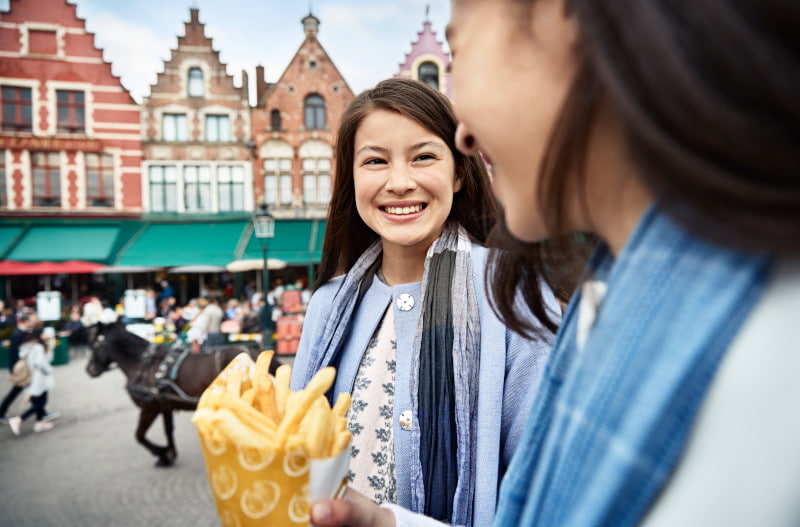
Cooking demonstrations and food culture workshops are the most popular form of cultural programming on cruise ships, and the strongest lines treat them as genuine culinary education rather than entertainment. On Holland America's Culinary Arts Center, guest chefs demonstrate the techniques, ingredients, and cultural context of cuisines from the regions being visited. A demonstration of bouillabaisse in the South of France sailing leg, followed by a meze preparation class before a Greek Islands stop, followed by a sushi and miso workshop before Japan, is not a loosely themed cooking show; it is an edible map of the voyage. Oceania's Chef's Studio takes this further, with hands-on participation cooking classes where passengers work alongside the instructor rather than watching from seats. Celebrity's culinary programming on its newer ships combines demonstration with tasting and pairs naturally with the line's premium dining offering. The content is destination-specific wherever possible: the ingredients, techniques, and cultural stories attached to the food are as much a part of the session as the recipe.
Language and Phrase Workshops
Language taster sessions, typically 30 to 60 minutes covering basic phrases, pronunciation, and cultural context, run on most major cultural cruise lines in the days before a non-English speaking port. Viking runs language sessions as part of its Port to Port enrichment program, covering essential phrases and cultural etiquette in the languages of upcoming destinations. Holland America and Princess include language workshops in their sea day enrichment schedules, ranging from practical phrase guides to more structured introductions for passengers who want more than survival vocabulary. The sessions are not designed to produce conversational fluency; they are designed to produce the ten to twenty phrases that signal respect, open doors, and generate goodwill at every port call. On world cruises, language programming escalates across the voyage: passengers on a 140-night sailing covering 35 countries typically accumulate a working awareness of six to eight language families by the end of the trip that changes how they travel permanently.
Traditional Dance and Music Classes
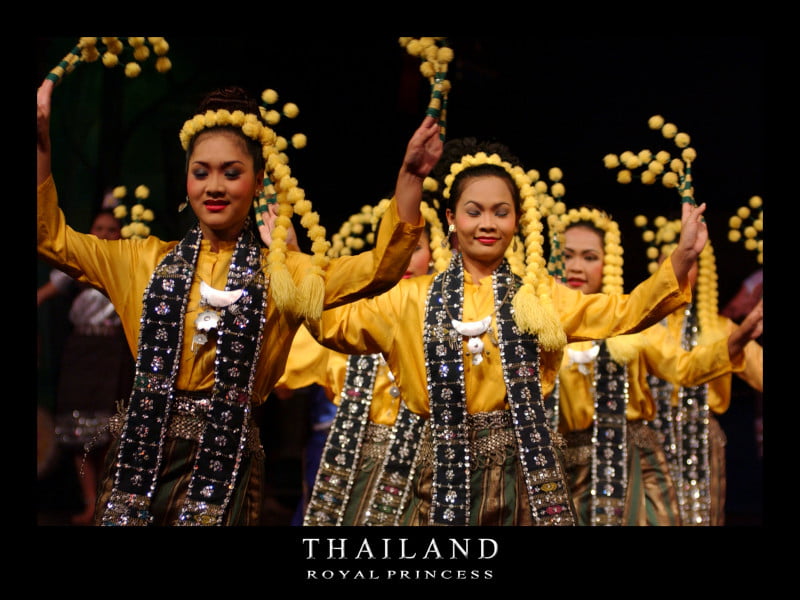
Dance and music workshops bring the performing culture of a destination into the ship's daily programming in a way that neither a lecture nor a demonstration can fully replicate. Flamenco workshops before Spanish ports, samba and salsa classes on Caribbean and South American itineraries, hula instruction before Hawaiian calls, and traditional Greek circle dance sessions before the islands are all features of the cultural programming on the lines that do this well. Viking's entertainment programming includes musical and dance workshops tied to specific destinations on its European and world itineraries. Royal Caribbean and Norwegian incorporate dance classes into their sea day activity schedules, though these are more social than destination-specific. The distinction matters: a flamenco workshop that teaches the cultural history and emotional vocabulary of the form is a different experience from a flamenco-flavored dance fitness class, and the better cultural programs on the leading lines are clear about which they are offering.
Local Craft and Art Workshops
Craft workshops tied to destination traditions give passengers a hands-on encounter with the material culture of the places they are visiting. Origami workshops before Japan, Turkish tile painting before Istanbul, Greek mosaic workshops before the islands, batik dyeing before Southeast Asian ports, and Aboriginal dot painting introductions before Australian calls have all appeared in the cultural workshop programming of the stronger lines. Viking's craft programming connects directly to the destinations on its itinerary, with workshops sourced from local artisan traditions rather than generalized craft activities. Holland America's enrichment team similarly ties craft content to upcoming ports where possible. These workshops produce something tangible, a tile, a painted panel, a folded paper form, that carries the memory of the destination in a way that a souvenir from a port shop rarely does, because you made it yourself with instruction that gave it context.
History and Destination Lectures
The destination lecture is the backbone of cultural programming on the best cruise lines, and the quality of the lecture program is one of the clearest differentiators between a culturally enriching cruise and a scenic one. Viking employs destination experts, historians, archaeologists, anthropologists, and cultural specialists as guest speakers on its voyages, with lectures timed to the itinerary and pitched at an intellectually engaged general audience. Holland America's guest lecture program covers history, geography, art, music, and science with a similarly high standard of expertise. Celebrity's enrichment programming on its newer ships includes destination talks from cultural professionals. The format is typically a 45 to 60 minute presentation in a main venue, followed by questions, with the content deliberately tied to a port call within the next one to three days. On world cruises, lecture programs run for months and accumulate into a genuine education: passengers on Viking or Holland America world voyages consistently describe the lecture program as a transformative element of the experience, not an optional extra.
Which Cruise Lines Offer the Best Cultural Workshop Programs
Viking
Viking is the cruise line most completely built around cultural immersion, and its workshop and enrichment programming reflects that more thoroughly than any competitor. Its Port to Port program provides destination-specific enrichment before every port call, including language sessions, cultural etiquette guides, destination lectures from expert speakers, and craft or culinary workshops tied to the cultures being visited. The adults-only environment and the absence of casinos and nightclubs means the programming has no competition for passenger attention in the way it does on mainstream ships. Viking's lecturers are credentialed specialists rather than generalist entertainers, and the content is pitched at passengers who want intellectual engagement rather than light background knowledge. The included shore excursion in every port gives the onboard cultural preparation a natural continuation ashore, creating a coherent learning arc from the lecture on the ship to the experience in the destination.
Holland America
Holland America has the most developed cultural enrichment program of any mainstream cruise line. Its Culinary Arts Center runs destination-specific cooking demonstrations and workshops across the fleet. Its guest lecture program covers history, art, science, and destination culture with a consistently high standard of expertise. The America's Test Kitchen partnership on some ships adds a practical cooking education component that pairs well with the destination-specific culinary content. Holland America's passenger demographic, typically older, more traveled, and more interested in enrichment than entertainment, means the cultural workshop attendance is high and the programming is well-resourced. On longer voyages and world cruises, Holland America's enrichment calendar is the strongest in the mainstream segment.
Oceania Cruises
Oceania Cruises has built its identity around two pillars: food and destination. Both are expressed in its cultural workshop programming. The Chef's Studio, Oceania's hands-on cooking school at sea, runs participation classes rather than demonstrations, with passengers working alongside culinary instructors on dishes tied to the itinerary. The Culinary Discovery Tours in port extend this into the destination itself, with market visits and cooking experiences ashore that connect directly to what was covered in the onboard sessions. Oceania's destination lecture program covers the history and culture of the ports being visited with a similar seriousness to Viking, and the smaller ships (under 1,250 guests on most vessels) mean the lectures feel more like a seminar than a theatre event.
Celebrity Cruises
Celebrity Cruises has invested significantly in its enrichment programming on its Edge and Beyond-class ships, with destination talks, culinary workshops, and cultural demonstrations running as part of the standard sea day schedule. The line's premium positioning means the content quality is higher than on mainstream ships, and the physical spaces in which the programming runs, the Eden space and the Retreat areas on the newer ships, are genuinely pleasant environments for learning and conversation. Celebrity's culinary programming pairs naturally with its reputation for food quality, and the combination of strong onboard dining and destination-focused cooking instruction is one of the line's more coherent cultural offerings.
Princess Cruises
Princess Cruises runs destination enrichment programming across its fleet through its Discovery at Sea program, developed in partnership with the BBC and various educational institutions. Destination talks, wildlife and nature lectures, and cultural heritage sessions appear on the sea day schedule on most Princess ships. The content is pitched at a broad general audience rather than a specialist one, making it accessible to first-time cruisers alongside experienced travelers. Princess's itinerary range, covering Alaska, the Mediterranean, Asia, Australia, and South America alongside the Caribbean, means the cultural workshop content covers a genuinely broad range of world cultures across its sailing schedule.
Are Cultural Workshops Included in Your Cruise Fare?
| Cruise Line | Workshop Type | Included or Extra | Typical Cost |
|---|---|---|---|
| Viking | Destination lectures, language sessions | Included | Free |
| Viking | Craft workshops with materials | Included | Free |
| Holland America | Culinary Arts Center demos | Included | Free |
| Holland America | Hands-on cooking classes | Extra | $30 to $40 |
| Oceania | Destination lectures | Included | Free |
| Oceania | Chef's Studio cooking classes | Extra | $35 to $59 |
| Celebrity | Destination talks, cultural demos | Included | Free |
| Celebrity | Specialty culinary workshops | Extra | $25 to $40 |
| Princess | Discovery at Sea lectures | Included | Free |
| Princess | Hands-on craft and cooking | Extra | $20 to $35 |
How Onboard Cultural Workshops Connect to Shore Experiences
Using What You Learned at Port
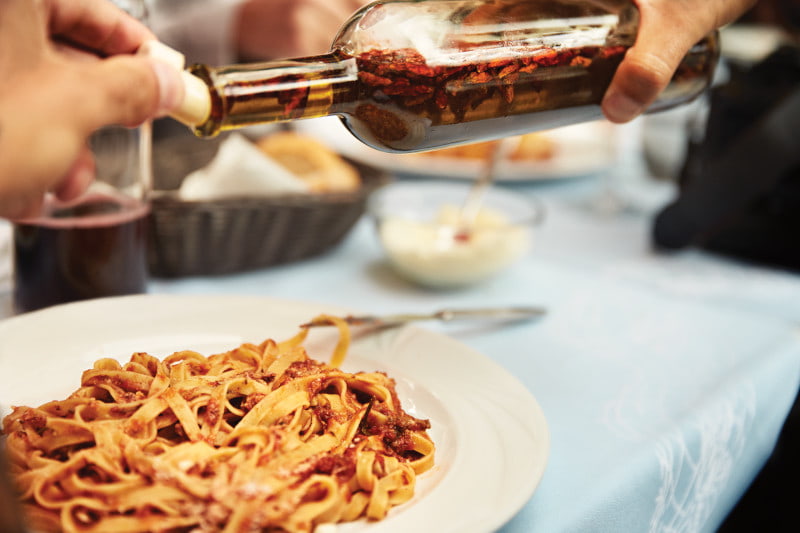
The practical value of onboard cultural workshops is most visible the moment you step ashore. A passenger who attended a Japanese etiquette session before Kyoto knows not to tip, not to eat while walking, and how to receive a business card with both hands and a slight bow. A passenger who attended a Greek language session before Athens can read the alphabet, order coffee correctly, and navigate a menu without defaulting to pointing. These are small things individually; collectively they change the quality of a port day in ways that are difficult to quantify but immediately felt. The port becomes a place you have some preparation for rather than a foreign environment you are encountering entirely unprepared, and that preparation changes the confidence and curiosity with which you move through it.
Shore Excursions That Extend the Workshop
The strongest connection between onboard cultural programming and shore experience comes when the excursion is chosen to extend what was learned on the ship. Oceania's Culinary Discovery Tours are the most explicit version of this: a cooking class on the ship covering Italian pasta technique is followed by a market visit in Naples or a cooking experience in a local home in Palermo. Viking's included shore excursions are designed to complement the destination lecture program, so the lecture on Viking heritage before Bergen is followed by an excursion to the Bergen Museum or the old Bryggen wharf that the lecture covered. On lines where excursions are not explicitly linked to onboard programming, passengers who have attended cultural workshops can identify which available excursions are likely to extend their learning most effectively by asking the cultural programming team before going ashore.
Meeting Locals Through Cultural Programming
The best cultural cruise programming creates connections with local practitioners and specialists rather than keeping the learning entirely within the ship. Guest speakers who come aboard in port, local chefs who teach a cooking session in the onboard kitchen, traditional musicians who perform and explain their craft in a workshop format, and artisans who demonstrate skills in the ship's craft space are all features of the stronger cultural programs. Viking regularly brings local cultural experts aboard in port to deliver lectures and lead workshops on their specific area of expertise. Holland America's Culinary Arts Center has hosted guest chefs from Michelin-starred restaurants in destination cities to teach and cook alongside passengers. These connections are the closest a cruise comes to the immersive cultural experience of staying in a destination for an extended period, and they are one of the things that distinguishes a culturally serious cruise from a scenic one.
The Best Itineraries for Cultural Immersion
Mediterranean
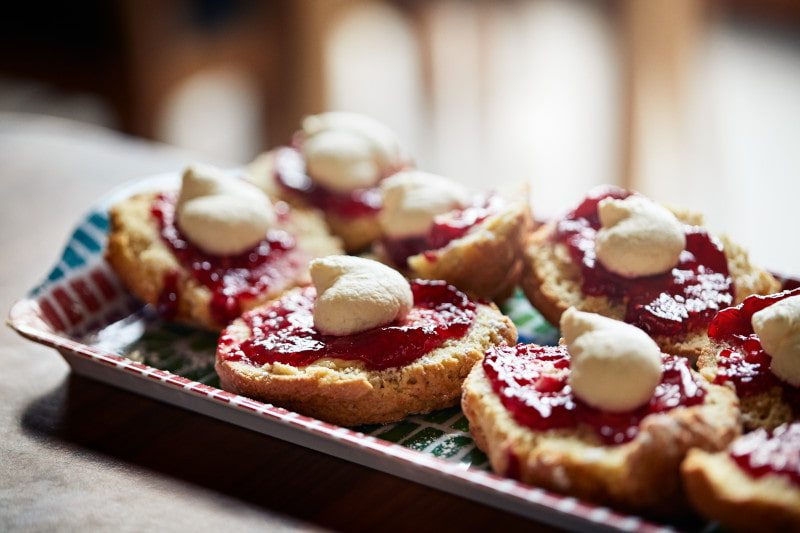
The Mediterranean is the most culturally layered cruise region on earth and the strongest fit for onboard cultural workshop programming. A 14-night Mediterranean sailing crossing Spain, France, Italy, Greece, Turkey, and Croatia gives a cultural programming team six distinct cultural contexts to build workshops and lectures around, each with its own cuisine, language, artistic tradition, and historical depth. The proximity of the destinations makes the connection between onboard preparation and shore experience immediate: the Turkish cuisine workshop on Tuesday evening is followed by a morning in the Grand Bazaar on Wednesday. The Ottoman architecture lecture on Thursday is followed by an afternoon in the Blue Mosque and Hagia Sophia on Friday. No other cruise region offers this density of cultural material within a standard itinerary length.
Asia
Asian cruise itineraries offer the greatest cultural contrast per nautical mile of any cruise region, and the distance between the cultural traditions being visited is large enough that onboard preparation is not optional but essential. The gap between Japanese, Vietnamese, Thai, and Indonesian cultural norms is significant enough that a passenger who arrives at each port without any preparation is genuinely at a disadvantage. Language, etiquette, food culture, religious practice, and social norms all change meaningfully between ports on an Asian itinerary in a way they do not between, for example, Barcelona and Marseille. The cultural workshop program on a well-run Asian itinerary has more material to cover and more practical impact on the passenger's port experience than almost any other route.
Caribbean
The Caribbean cultural workshop program is the most underestimated in the cruise industry. The region's reputation as a beach and sun destination means the cultural depth available to a curious traveler is frequently overlooked, and the best onboard cultural programming on Caribbean sailings addresses this directly. Lectures on the African, European, Indigenous, and Asian influences that have shaped Caribbean cultures, cooking workshops covering Jamaican jerk tradition, Trinidadian doubles, Barbadian flying fish preparation, and Martiniquaise Creole cuisine, and music workshops covering calypso, reggae, soca, and merengue give passengers access to a cultural richness that a day at a beach club never reaches. Holland America and Princess have the strongest Caribbean cultural programming in the mainstream segment.
World Cruises
The cultural workshop program on a world cruise is the most ambitious and the most transformative of any itinerary type. Over 100 to 180 days, the accumulated effect of destination lectures, language sessions, cooking demonstrations, and craft workshops covering cultures from the Americas through the Pacific to Asia, Africa, and Europe produces something that is difficult to describe as anything other than an education. Passengers on Viking and Holland America world voyages consistently describe the enrichment program as one of the defining elements of the experience. The cultural knowledge accumulated onboard does not stay onboard: passengers return home with a working knowledge of cultural contexts they had no access to before the voyage, and the connections made in workshops with fellow passengers who share those discoveries are among the most enduring relationships the cruise format produces.
Tips for Getting the Most from Cultural Workshops at Sea
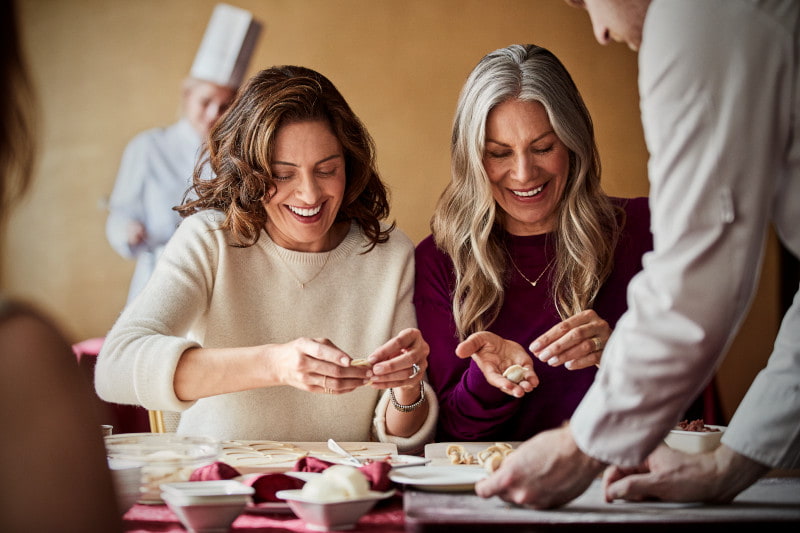
Book hands-on sessions before you board: Destination lectures are walk-in and rarely fill to capacity, but hands-on cooking classes, craft workshops, and language sessions with limited places are bookable in advance on most lines. Booking through the cruise line's app in the weeks before sailing secures your spot in the sessions most directly tied to the destinations you are most excited about.
Attend destination talks the evening before a port call: The timing matters. A lecture on Japanese tea ceremony culture attended two weeks before Kyoto will be forgotten. The same lecture attended the evening before the port call lands differently, because the destination is 12 hours away and the information is immediately actionable.
Pair the workshop with the relevant excursion: The cooking demo covering Vietnamese pho the evening before Ho Chi Minh City pairs with a food market tour ashore. The Ottoman architecture lecture before Istanbul pairs with the historical sites excursion rather than the shopping tour. Identifying the excursion that extends the workshop before you book either one makes both more worthwhile.
Take notes, or at least one thing: The language phrase, the recipe technique, the historical date that reframes a monument — writing down one concrete takeaway from each session is what converts a pleasant hour into a retained piece of knowledge. Most cultural workshop attendees on Viking and Holland America sailings have notebooks by the end of a longer voyage.
Engage with the instructor after the session: The guest lecturer who has just delivered a talk on Ottoman history to 200 people is usually available for questions immediately afterward, and those conversations are where the most specific and interesting information surfaces. The destination expert who has answered the same general questions for 40 minutes relaxes into the specific and personal when the audience thins.
Find Your Cultural Cruise on CruiseDirect
Whether you are looking for Viking's destination-immersive enrichment program, Holland America's culinary and lecture calendar, Oceania's Chef's Studio cooking experience, or a Mediterranean or Asian itinerary built for cultural depth, the right cruise line and ship makes the difference.
Browse cruise deals on CruiseDirect across all major lines, backed by our low price guarantee and no booking fees. Your most culturally rewarding sailing is a few clicks away.


