Rome's cruise port at Civitavecchia ranks among Europe's busiest departure points, launching Mediterranean voyages to Greece, Spain, France, Croatia, and beyond.
European cruises carry higher price tags than Caribbean sailings, and costs multiply fast when you factor in transatlantic flights, pre-cruise hotels, shore excursions, and onboard spending across week-long Mediterranean itineraries.
The good news: Mediterranean cruises from Rome don't have to drain your savings. Smart planning across booking timing, cabin selection, flight strategy, and onboard spending saves hundreds to thousands per person without sacrificing the experiences that make European cruising worth the trip.
Here's how to cruise Europe from Rome without overpaying.
1. Book During Shoulder Season
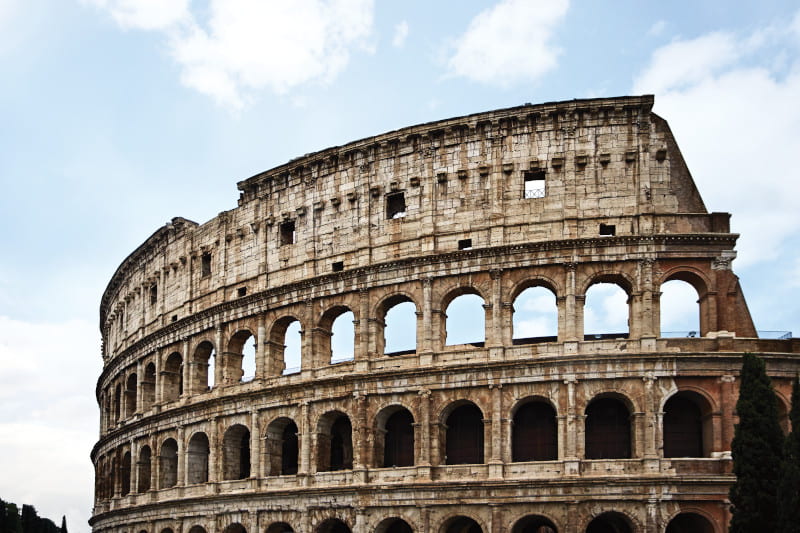
Peak summer (July-August) commands the highest fares while delivering the worst conditions—sweltering 95°F+ temperatures in Mediterranean ports, massive tourist crowds at every attraction, and fully booked ships running at maximum capacity. You pay the most and enjoy the least.
April through May and September through October deliver the sweet spot. Temperatures hover comfortably in the 70s. Tourist crowds thin significantly at major attractions like the Colosseum, Santorini's caldera, and Barcelona's Sagrada Família. Cruise fares drop noticeably compared to peak summer, sometimes hundreds per person on identical itineraries.
The destinations don't change. The sunshine doesn't disappear. The ports remain fully operational. You simply experience everything at lower cost with fewer people blocking your views and shorter lines at every museum, restaurant, and landmark.
October sailings add harvest season bonuses—grape stomping in Tuscany, fresh olive oil pressings, truffle hunting in Provence, and wine festivals across Mediterranean wine regions.
- July-August: highest prices, worst crowds, extreme heat
- April-May: warm weather, lighter crowds, lower fares
- September-October: harvest season, golden light, reduced prices
- Same itineraries and destinations at significantly lower cost
2. Choose the Right Cabin Strategically
Balcony cabins on Mediterranean cruises cost $400-1,000+ more than inside cabins per person. That premium buys you a private outdoor space with ocean views—lovely in theory, but consider how you'll actually spend your time.
Mediterranean itineraries are port-intensive. You're off the ship exploring Rome, Athens, Barcelona, Santorini, and Dubrovnik most days from morning until evening. Your cabin primarily serves as a place to sleep, shower, and change clothes between port days and dinner. Paying hundreds extra for a balcony you'll use 30 minutes daily doesn't always make financial sense.
Inside cabins on modern cruise ships are comfortable, well-designed, and perfectly functional for sleeping. Some newer ships offer virtual balconies—floor-to-ceiling HD screens displaying real-time ocean views—in inside cabins, providing the view without the price premium.
Guarantee cabins save even more. You let the cruise line choose your specific cabin location in exchange for discounted pricing. You're guaranteed the cabin category you booked (inside, oceanview, or balcony) but not the exact location. For most travelers, the savings outweigh location preferences.
- Inside cabins save $400-1,000+ per person vs balconies
- Mediterranean itineraries mean minimal cabin time during port days
- Guarantee cabins offer additional savings on any category
- Virtual balconies on newer ships provide views in inside cabins
3. Fly Smart to Rome
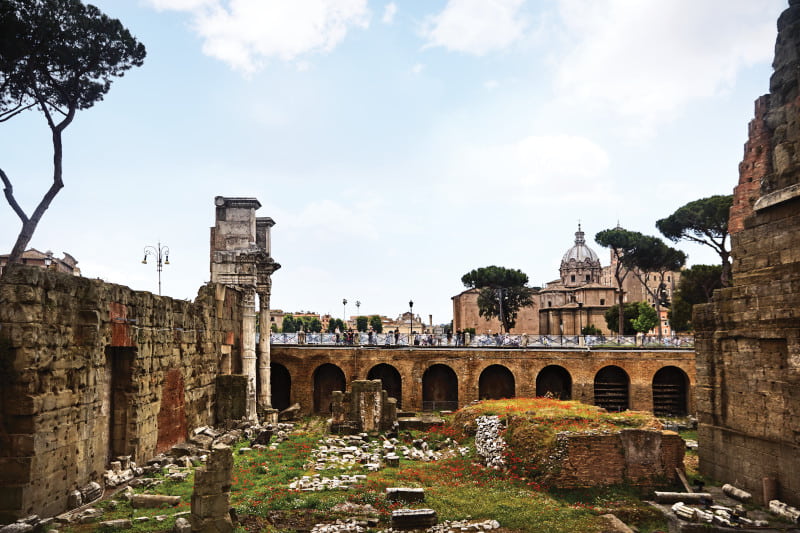
Flights represent one of the biggest European cruise expenses for North American travelers, but smart booking strategies significantly reduce airfare costs.
Book flights independently rather than through cruise line air packages. Cruise lines mark up airfare considerably for the convenience of bundled booking. Searching flights separately through airlines or comparison sites almost always produces lower fares. The tradeoff: you're responsible for your own flight logistics rather than the cruise line handling them.
Fly midweek for lowest fares. Tuesday and Wednesday departures to Rome cost significantly less than weekend flights. If your cruise departs Saturday, flying to Rome on Wednesday or Thursday saves money while building in buffer days.
Arrive at least one day before your cruise. This single decision prevents the most expensive mistake in cruise travel—missing your ship because of flight delays or cancellations. A $100-150 pre-cruise hotel night in Rome costs far less than rebooking flights and catching your ship at the next port.
Travelers already in Europe can save dramatically using budget airlines for positioning flights. Flying London to Rome on a budget carrier costs a fraction of transatlantic fares.
- Book flights separately from cruise line packages
- Fly midweek (Tuesday-Wednesday) for lowest fares
- Arrive one day early to prevent missed-ship disasters
- Budget airlines work well for intra-European positioning
4. Skip the Cruise Line Shore Excursions
Cruise line shore excursions charge premium prices for organized convenience. A guided tour of the Colosseum and Roman Forum through your cruise line might cost $150-200 per person. The same experience booked independently through local tour operators runs $40-80. Multiply that savings across five or six ports, and you're keeping hundreds in your pocket.
Mediterranean ports offer exceptional public transportation making independent touring easy. Rome's train from Civitavecchia to the city center costs under €10. Athens' metro from Piraeus to the Acropolis runs a few euros. Barcelona's cruise terminal connects to the city via shuttle and metro for minimal cost. You don't need organized tours to reach major attractions.
Booking local guides directly through platforms and local tourism websites delivers personalized experiences at fraction of cruise line prices. Small-group walking tours, private guides, and self-guided itineraries all work beautifully in well-connected Mediterranean cities.
The exception: remote ports with limited transportation or destinations where skip-the-line access through cruise line excursions saves significant time justify the premium. Vatican Museums during peak season, for example, benefit from cruise line skip-the-line arrangements.
- Cruise line excursions cost 2-3x more than independent alternatives
- Public transit in most Mediterranean ports is cheap and efficient
- Local guides through booking platforms cost a fraction of ship excursions
- Exception: skip-the-line access at major attractions can justify the premium
5. Manage Onboard Spending
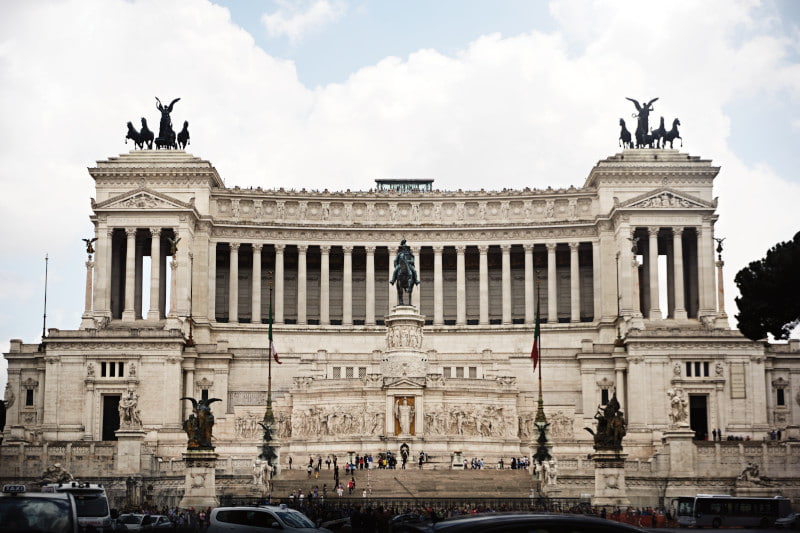
Onboard spending sneaks up on Mediterranean cruises because charges feel invisible until the final statement arrives. Setting boundaries before boarding prevents budget shock at disembarkation.
Drink packages require honest math before purchasing. If your cruise line charges $70-90 per day for unlimited alcohol, you need 6-8 drinks daily to break even. Casual drinkers who enjoy two glasses of wine at dinner save money buying drinks individually. Heavy drinkers or cocktail enthusiasts might benefit from packages.
Main dining rooms on every cruise line serve excellent multi-course meals included in your fare. Specialty restaurants charging $30-75 per person deliver elevated experiences worth occasional splurges, but eating specialty every night adds hundreds to your bill unnecessarily. Save specialty dining for one or two celebration dinners.
Free entertainment fills every day and evening—pool activities, fitness classes, main theater shows, live music, trivia, movies, and more. Paid add-ons like escape rooms, virtual reality, specialty classes, and casino gambling represent optional spending, not requirements for enjoyable cruising.
Most cruise line apps let you track spending in real time. Set a daily onboard budget before sailing and check your account nightly. The awareness alone reduces impulse purchases.
- Do the math on drink packages — not always worth it
- Main dining rooms serve excellent food included in your fare
- Save specialty dining for 1-2 celebration meals
- Track spending daily through cruise line app
6. Take Advantage of Deals and Timing
Wave season—January through March—delivers the best annual cruise deals as cruise lines aggressively promote upcoming seasons. Booking Mediterranean cruises during wave season locks in lowest fares plus bonus perks like onboard credit, free drink packages, or cabin upgrades.
Early booking (6-12 months ahead) guarantees best cabin selection and lowest base fares on popular itineraries. Last-minute booking (30-60 days before departure) occasionally produces deep discounts on unsold inventory, but you sacrifice cabin choice and risk itineraries selling out entirely.
Repositioning cruises offer some of the deepest discounts in cruising. When ships move between seasons—crossing from Caribbean homeports to Mediterranean summer deployments in April-May, or returning in October-November—cruise lines sell these transatlantic crossings at dramatically reduced fares. You get 12-14 night voyages at prices sometimes lower than standard 7-night Mediterranean sailings.
Families should watch for kids-sail-free promotions running periodically across major cruise lines. These deals eliminate third and fourth guest fares, saving families hundreds per child.
- Wave season (January-March): best annual deals and bonus perks
- Book 6-12 months ahead for best selection and pricing
- Repositioning cruises (April-May, October-November): deep discounts
- Kids-sail-free promotions save families hundreds per child
7. Save on Pre-Cruise and Post-Cruise Rome
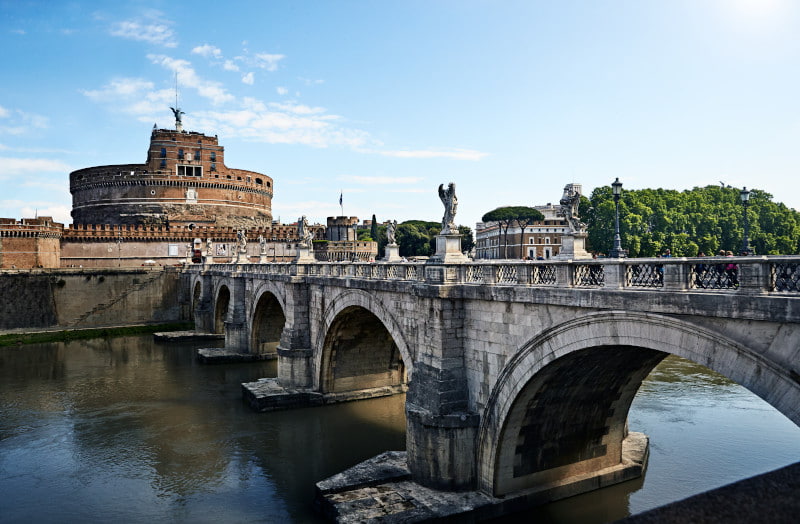
Arriving early in Rome doesn't have to be expensive. Hotels in neighborhoods like Trastevere, Testaccio, and San Giovanni cost significantly less than properties near the Colosseum or Spanish Steps while offering more authentic Roman experiences. These neighborhoods have excellent restaurants, local markets, and easy metro access to all major attractions.
Rome's public transit system—metro, buses, and trams—costs €1.50 per ride or €7 for 24-hour unlimited passes. You don't need taxis or private transfers to explore the city efficiently.
Several of Rome's most iconic attractions cost nothing. The Pantheon, Trevi Fountain, Spanish Steps, St. Peter's Basilica, and Piazza Navona are all free to visit. Walking between these sites takes you through charming neighborhoods revealing Rome beyond tourist postcards.
Eat where Romans eat. Restaurants directly facing major landmarks charge tourist premiums for mediocre food. Walking two blocks in any direction from major attractions drops prices dramatically while improving quality. Trastevere's trattorias, Testaccio's market food stalls, and neighborhood pizzerias serve better food at half the price of tourist-trap restaurants.
- Stay in Trastevere, Testaccio, or San Giovanni for lower hotel rates
- Public transit: €1.50 per ride or €7 for 24-hour unlimited pass
- Free attractions: Pantheon, Trevi Fountain, Spanish Steps, St. Peter's Basilica
- Eat 2 blocks from landmarks for better food at lower prices
Check out our guide on What to Do in Rome for more details.
Cruise the Mediterranean Without Overspending
European cruises from Rome deliver bucket-list experiences across the Mediterranean's most stunning destinations. The key to affording them isn't sacrificing experiences—it's making smarter decisions about when you book, where you sleep, how you get there, and what you spend onboard.
Shoulder season booking alone saves hundreds. Inside cabins free up budget for experiences that actually matter. Independent shore excursions cut port-day costs in half. Smart flight booking and pre-cruise planning in Rome stretch every dollar further.
The Mediterranean isn't just for luxury travelers with unlimited budgets. With the right strategy, Rome-based European cruises become accessible at virtually every price point.
Ready to cruise the Mediterranean from Rome? Browse European cruises departing Civitavecchia with CruiseDirect and start planning your Mediterranean voyage for less.

